I’m kicking off our Leg 19 blog posts with my first “We’re Home” post for this leg. This is the first because, while we had a long stay earlier this leg in Brazil, it definitely didn’t feel like home, so I decided I’ll cover it later in a single post. And I wanted to get caught up on our Leg 17 and 18 posts before getting into this leg.
Salta truly feels like home and despite a few bumps and way too much work time, we had a wonderful time here in our first two and a half weeks, including one of our smoothest travel days ever.
Arrival and Airbnb
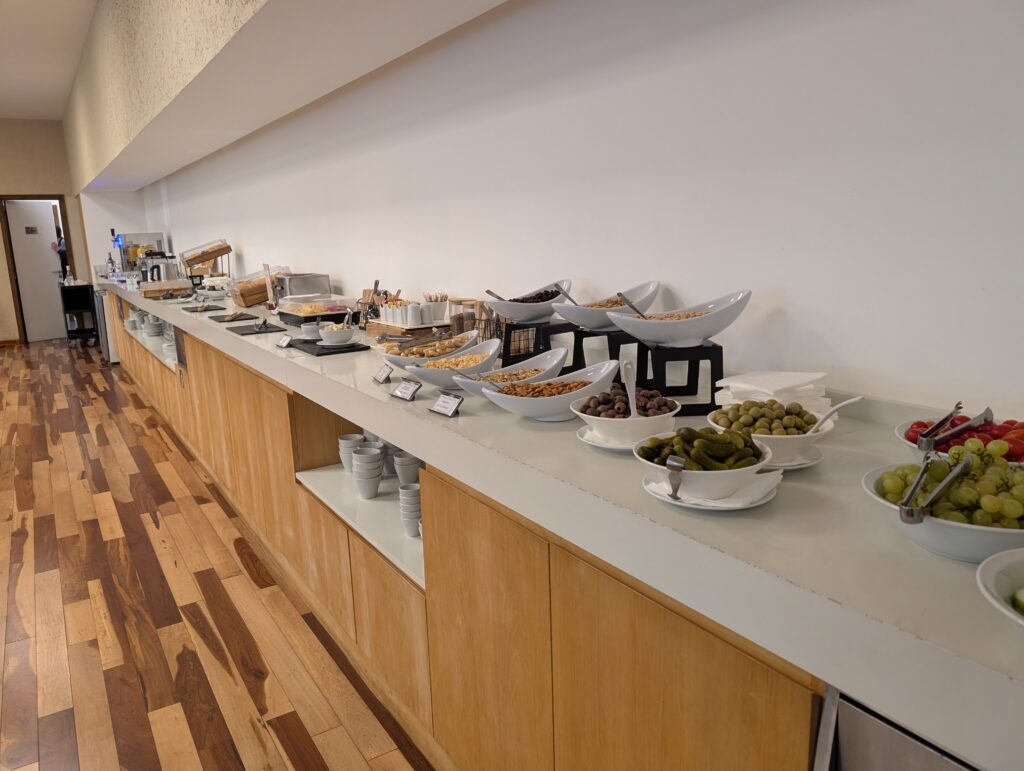
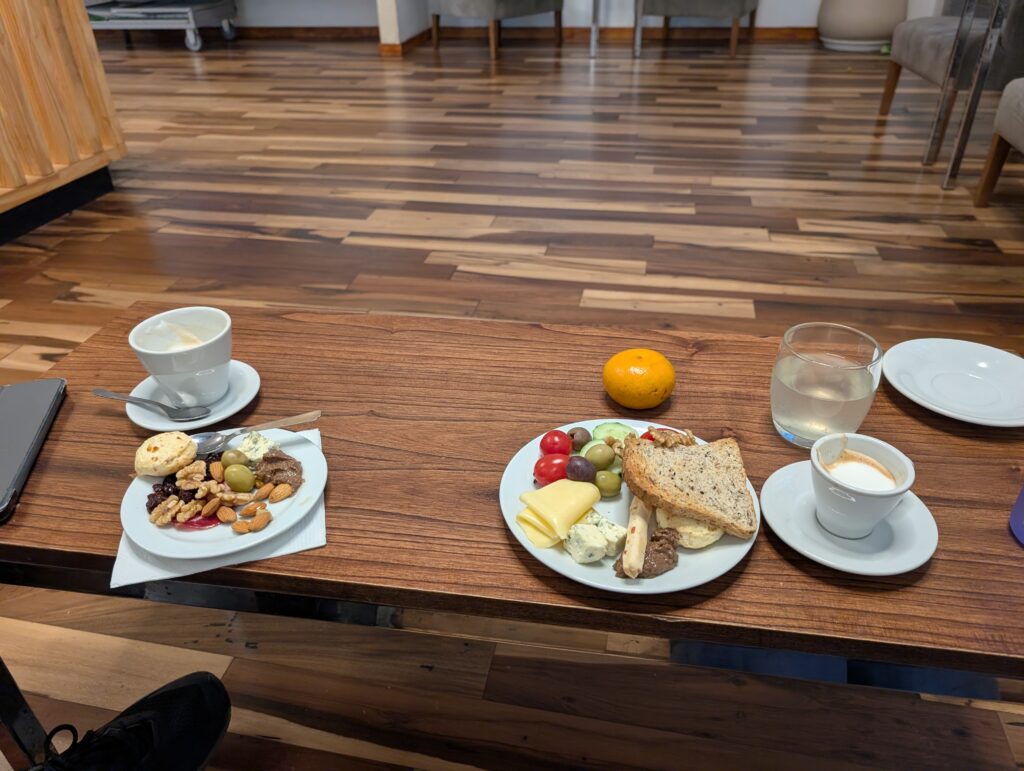
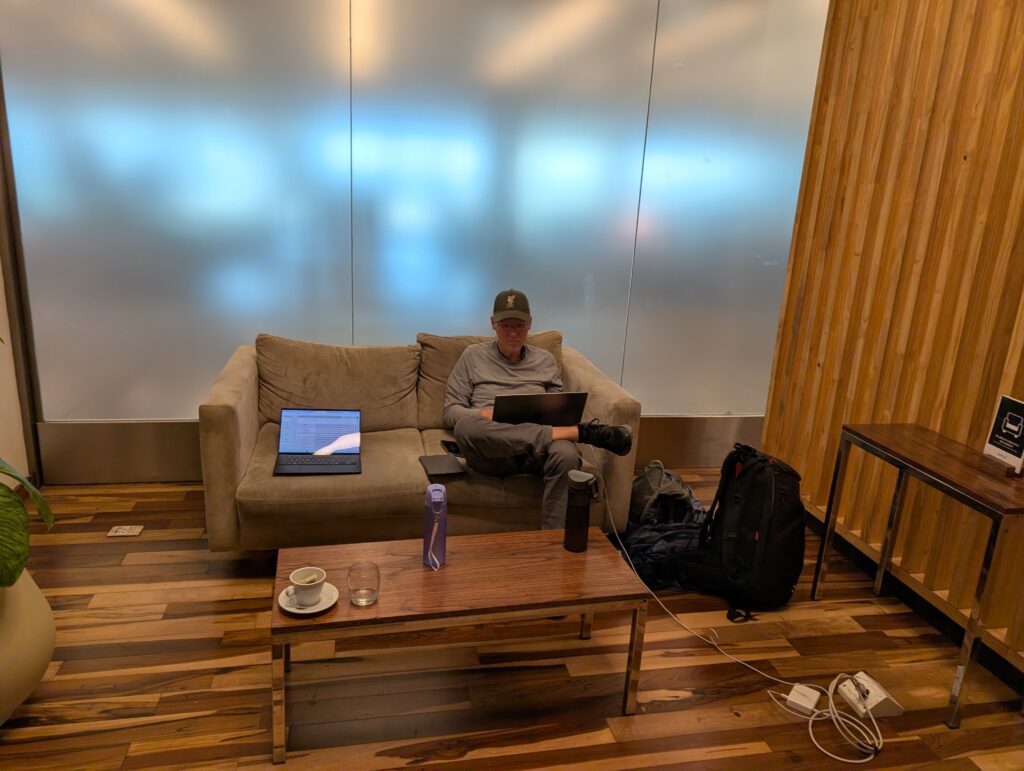
We came to Salta via a domestic flight from Puerto Iguazu following three nights in Iguazu Falls (both the Brazilian and Argentine sides) and about a month in Brazil. I prebooked a taxi to the airport for our direct domestic flight. Unfortunately, when I booked it, I didn’t realized that our flight time got moved back an hour by Aerolineas Argentina and the company was only able to adjust our ride by 30 minutes, so we arrived at the airport really early. But the positive part of that was we had no lines at check-in or security and we were the first visitors of the day in the airport lounge, which had a good spread of snacks for our breakfast.
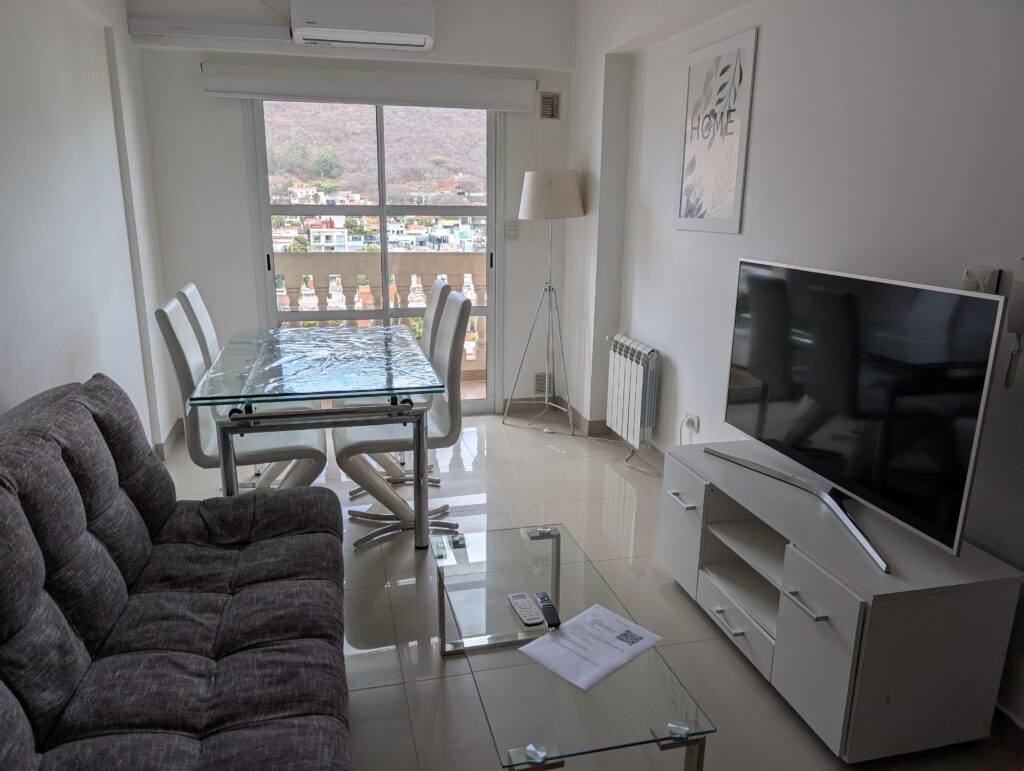
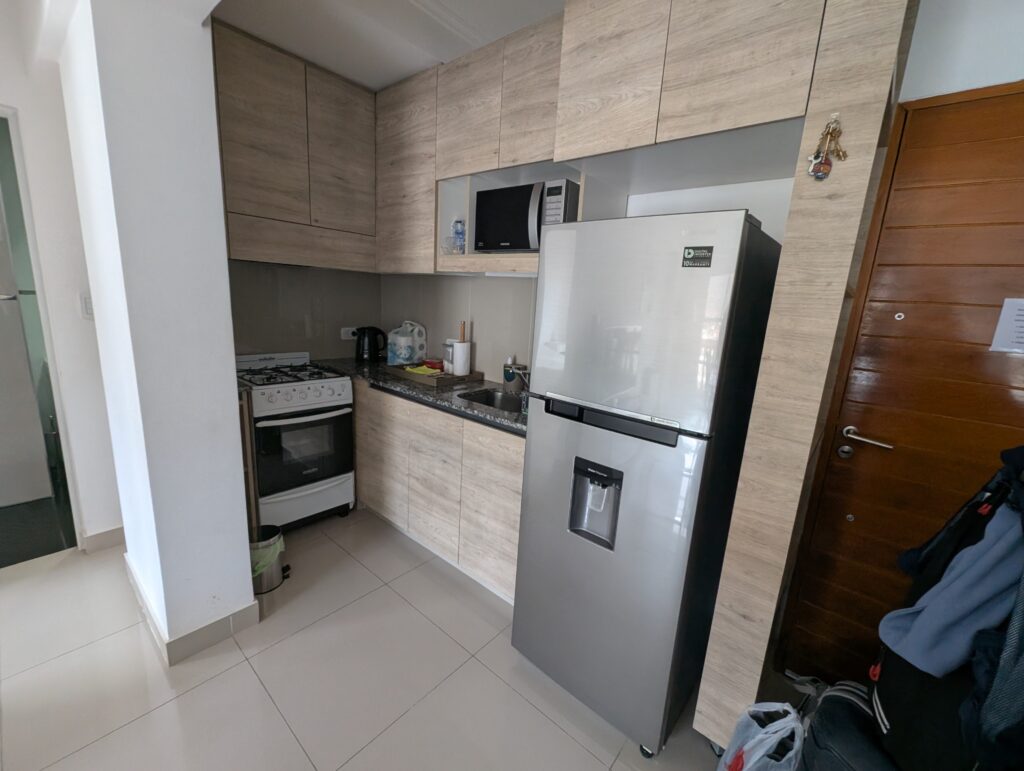
On arrival in Salta, we got an Uber from the airport to our Airbnb where our host, Fernando, was waiting for us as promised (I’d messaged him from the car). He showed us the apartment and gave us some great Salta suggestions. The apartment is actually a little larger than it looked in the photos and we’ve been very comfortable here so far. We had a slight problem with the water heater which led to a problem with the electricity, but Fernando was very quick to get everything fixed so it was only a minor inconvenience.

Early Days and Walking Tour
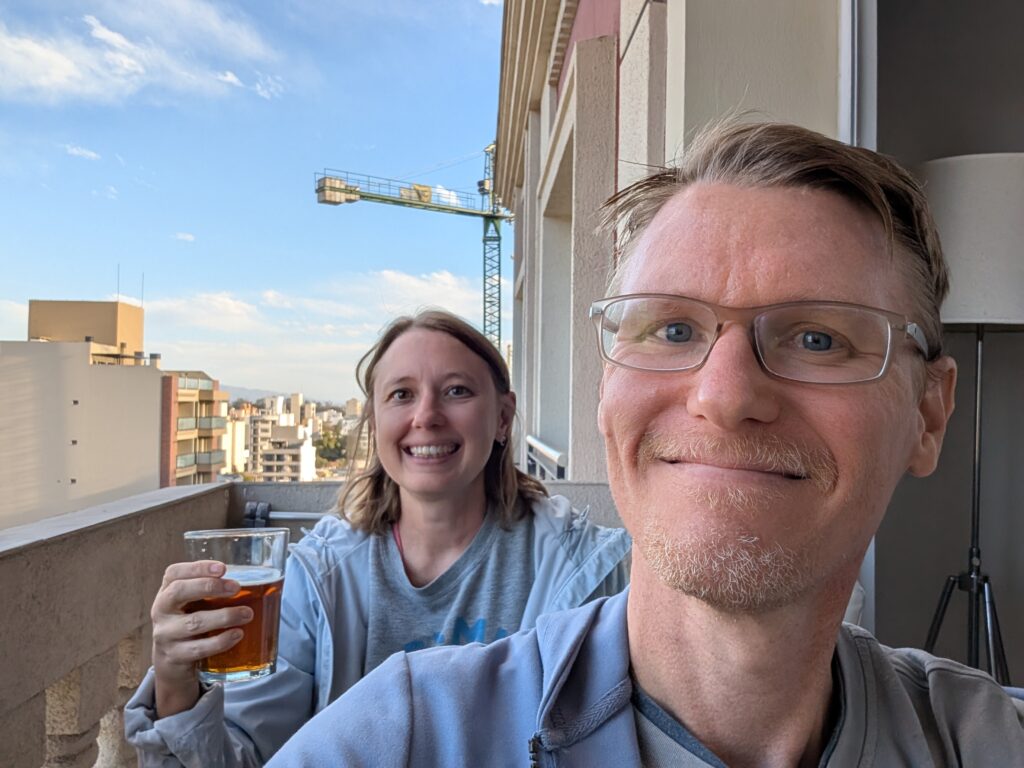
Since we were coming off of three days of touristing in Iguazu, we didn’t do a lot for our first week in Salta. However, we found a tip-based walking tour offered in English weekdays at 6 p.m. and decided to do that a few days after our arrival as our first Salta date night.
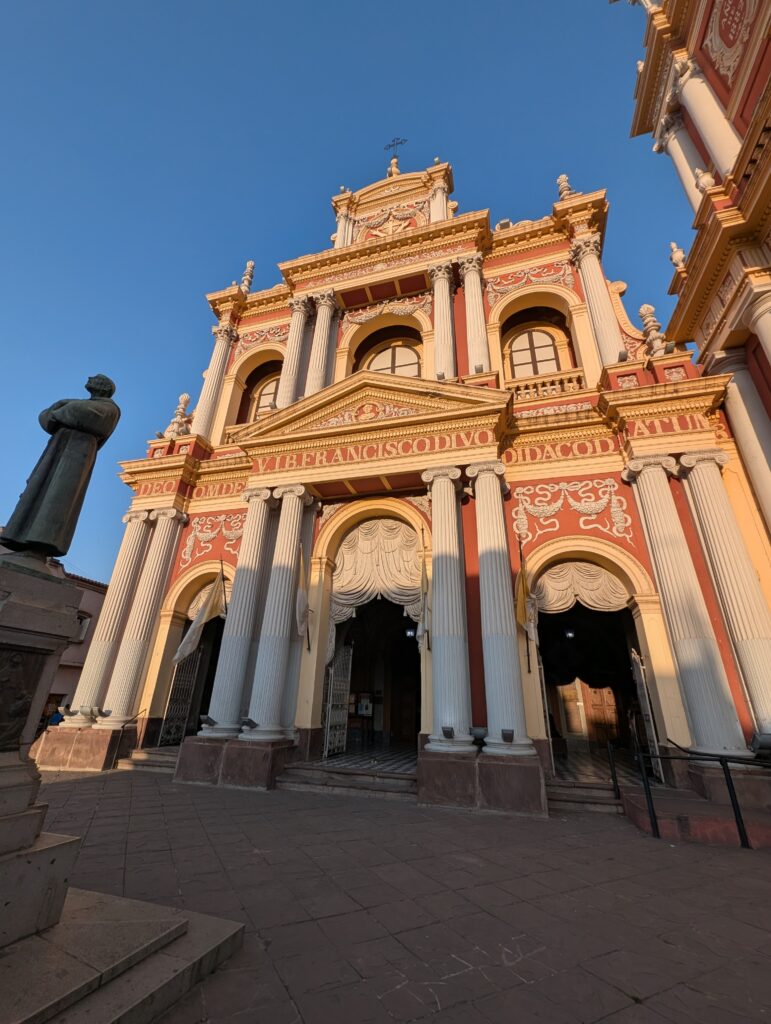
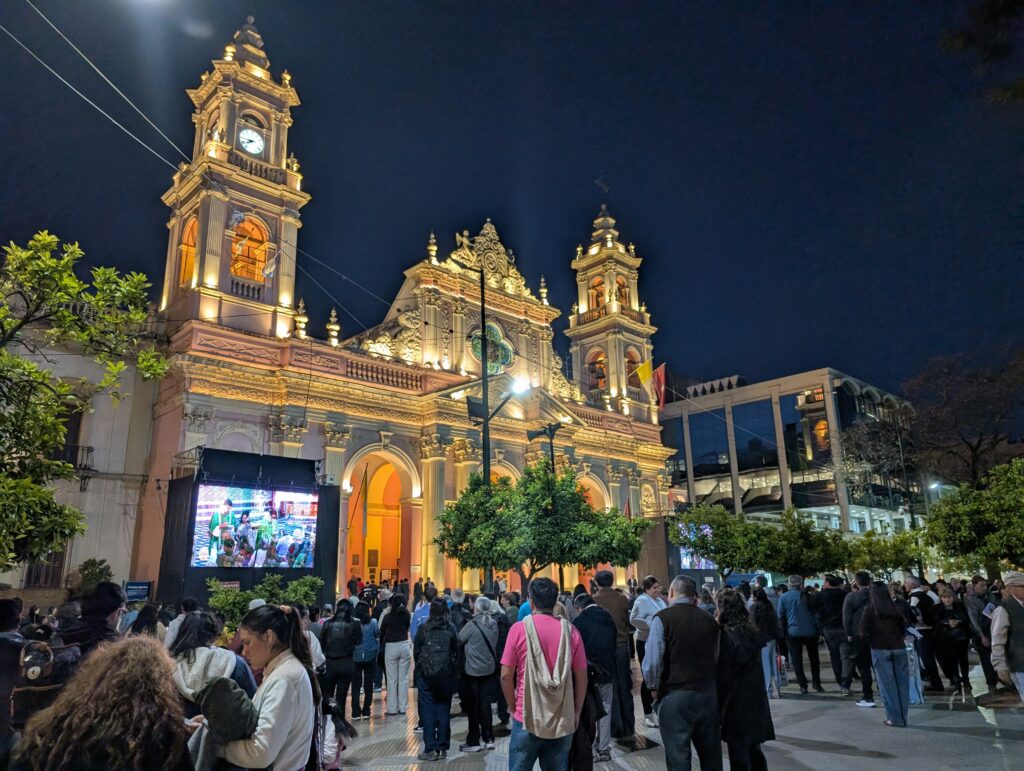
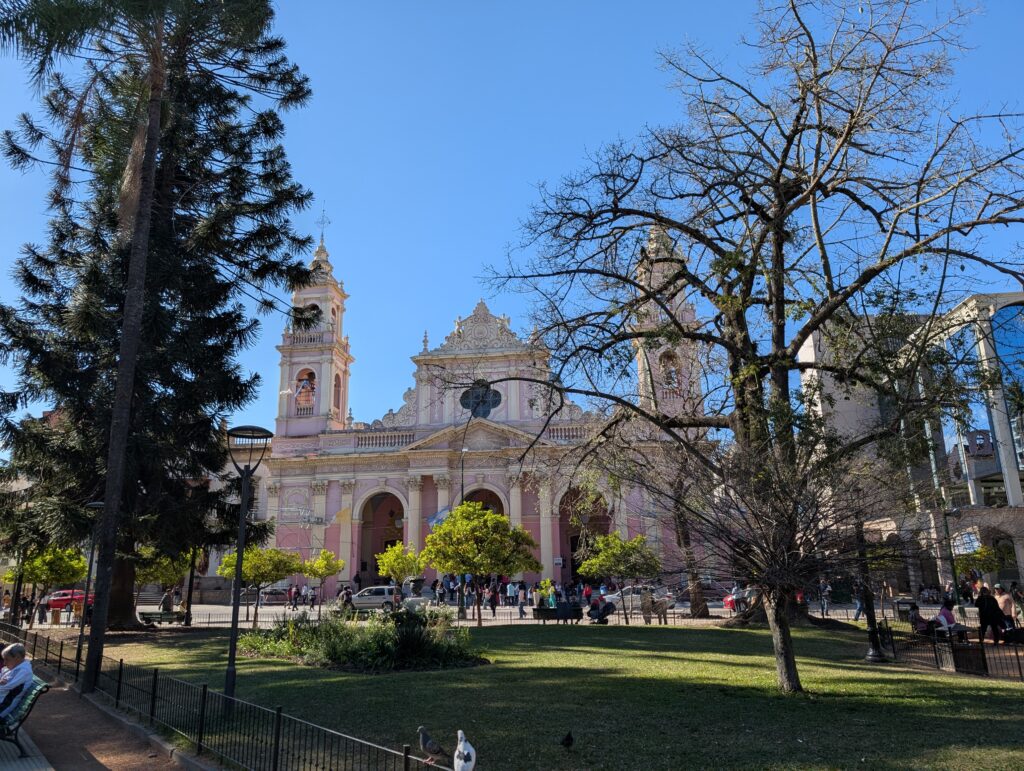
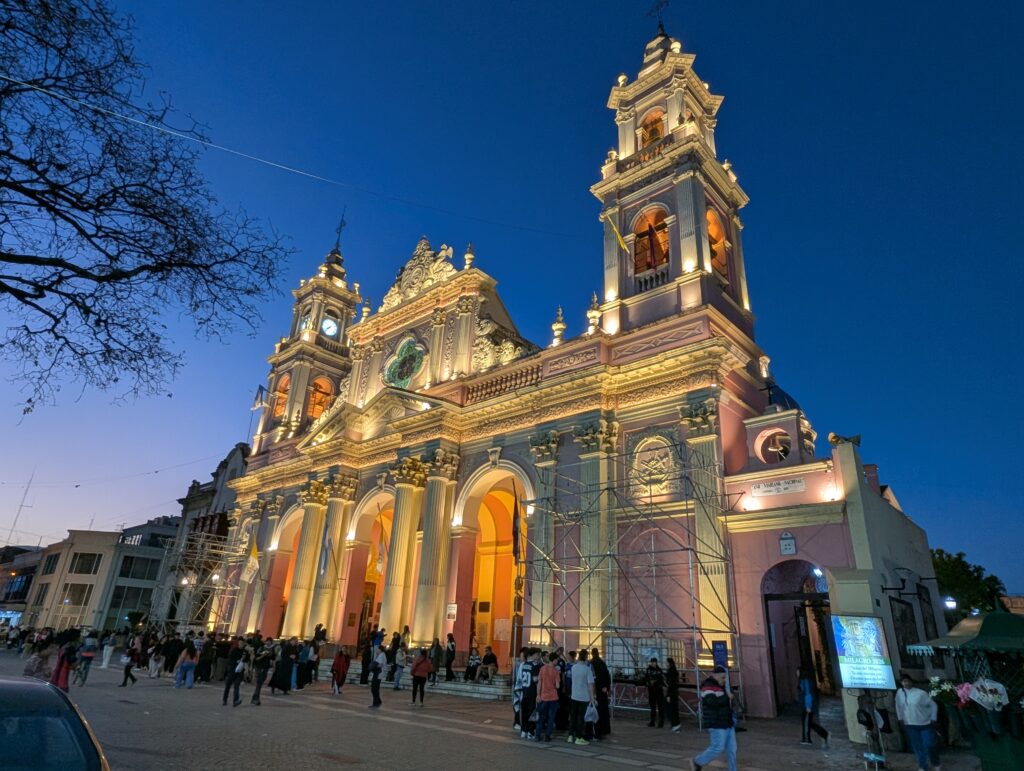
The tour meets in front of the cathedral, but when we arrived, we realized it might be harder to find the guide than we thought among the throngs of people outside the church participating in mass. Earlier in the week I’d learned that these days were the lead up to the annual Procesion del Milagro (Procession of the Miracle) that would happen on Tuesday, with thousands of pilgrims coming to town to take part. They’d already started arriving and participating in mass was their main jam. However, we located our guide, Homero, pretty easily in his bright orange jacket. Over the next 10 minutes, other English-speakers joined us, though they were all Europeans, including a nice Italian couple from Perugia, one of our prior long stays.
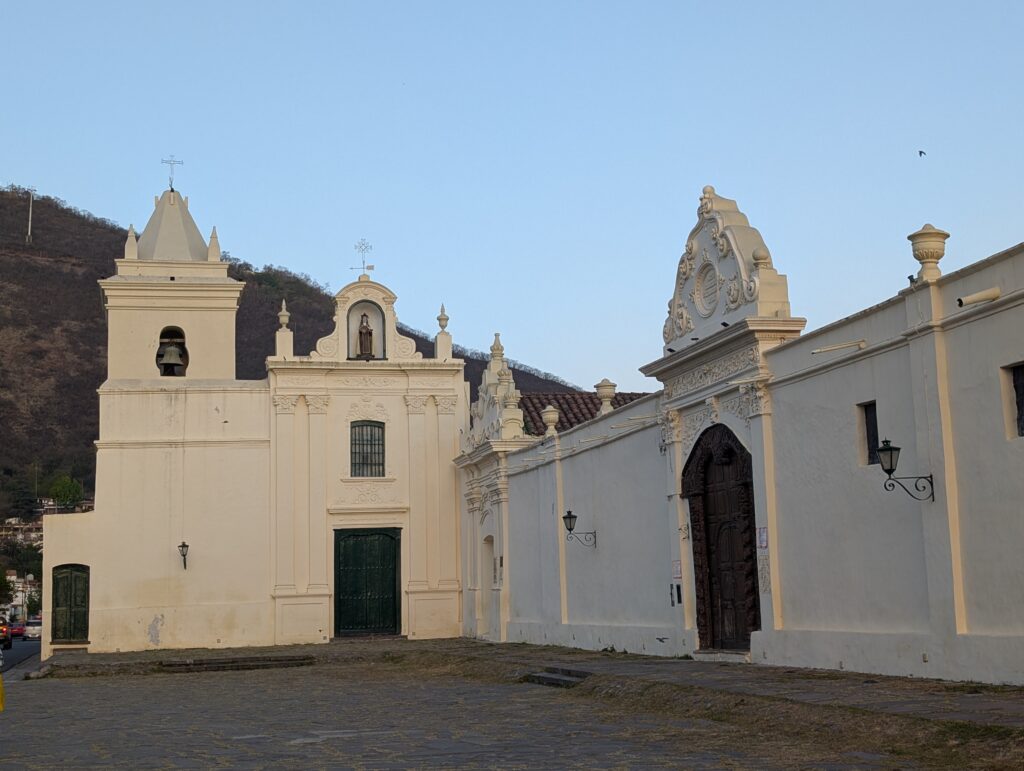
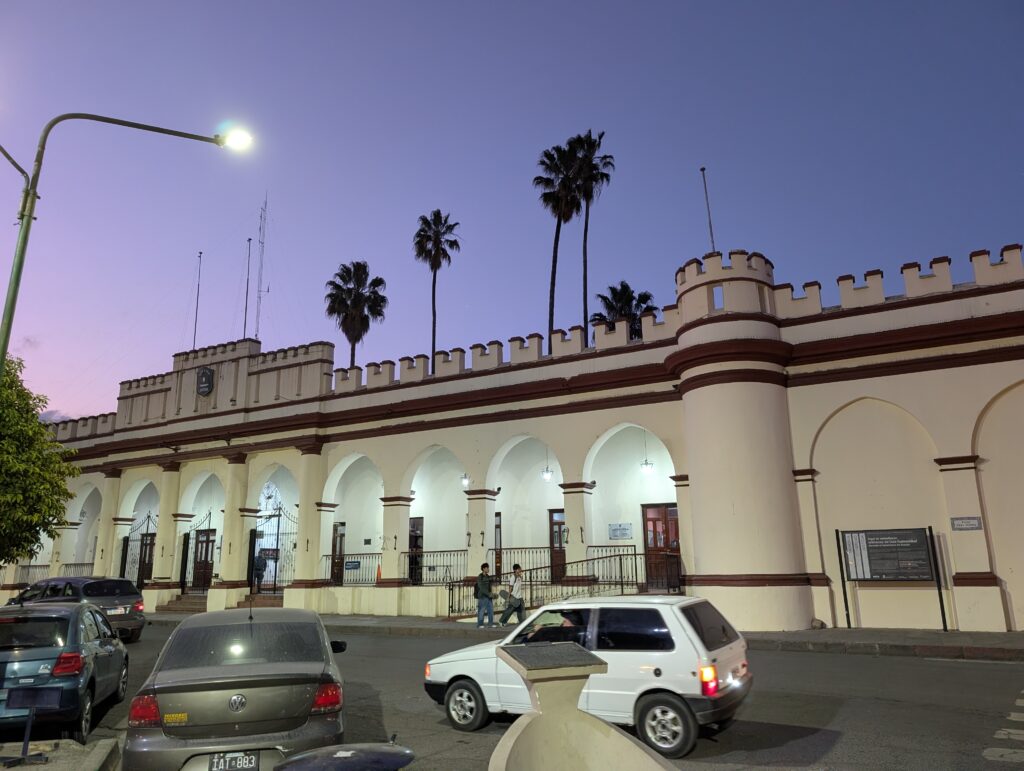
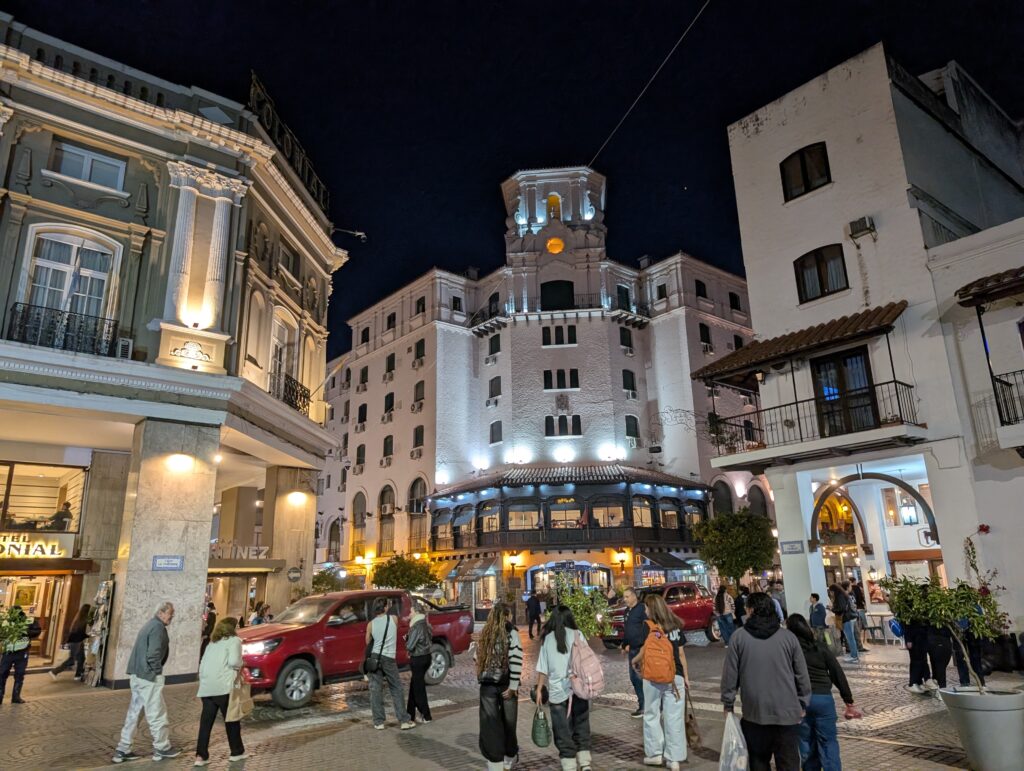
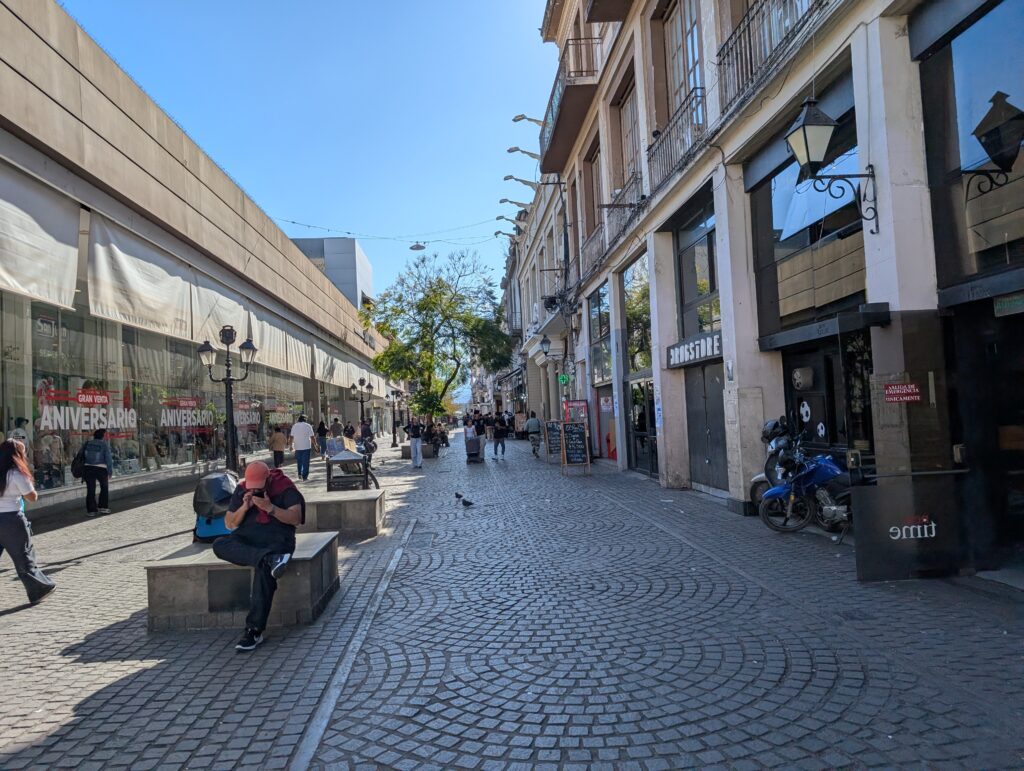
Homero took us through the history and some of the major sights of Salta and offered several recommendations for museums, restaurants, and peñas (bars where they play late-night folk music for tourists; a must-do on our list). A few highlights in the photos.


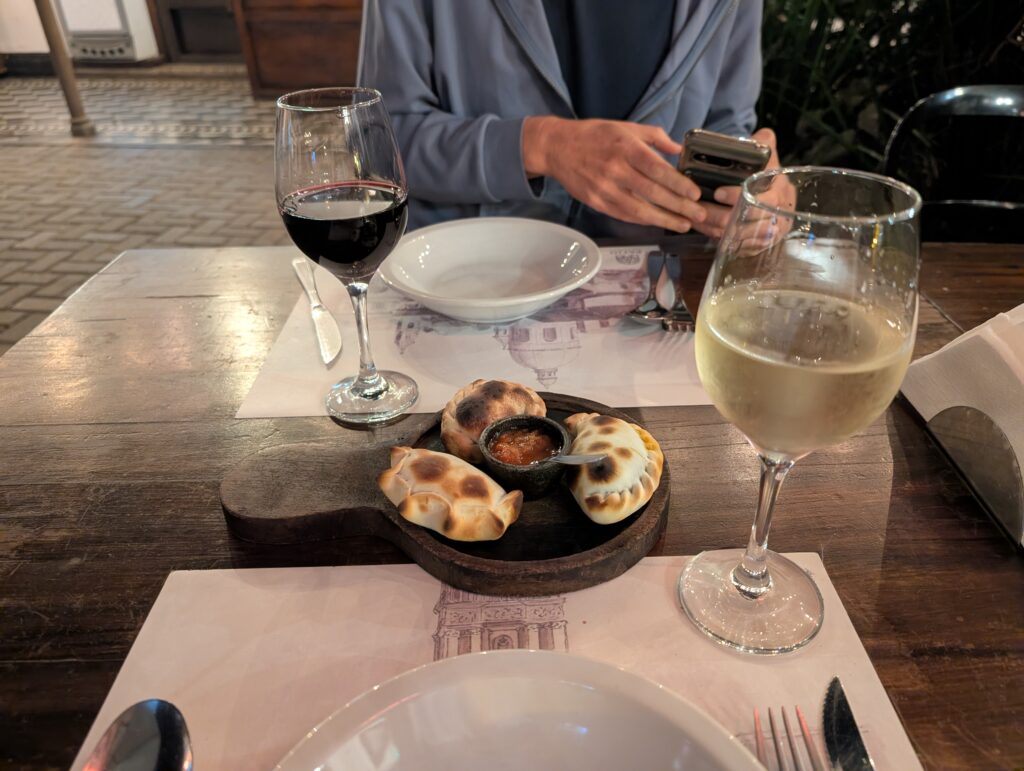
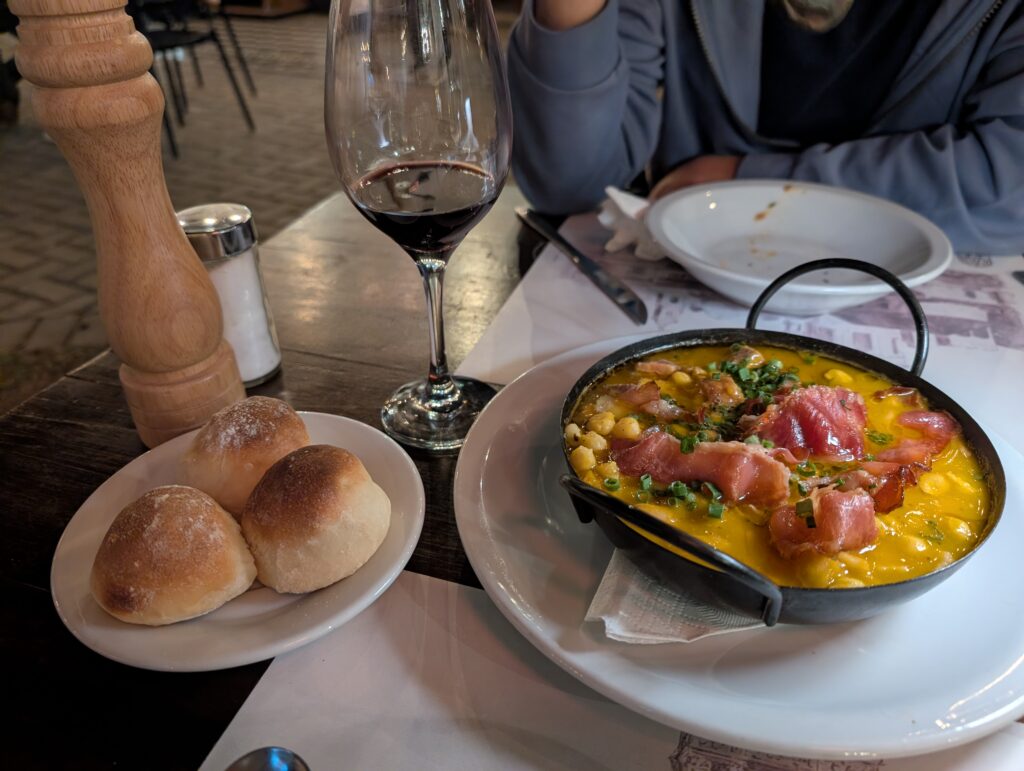
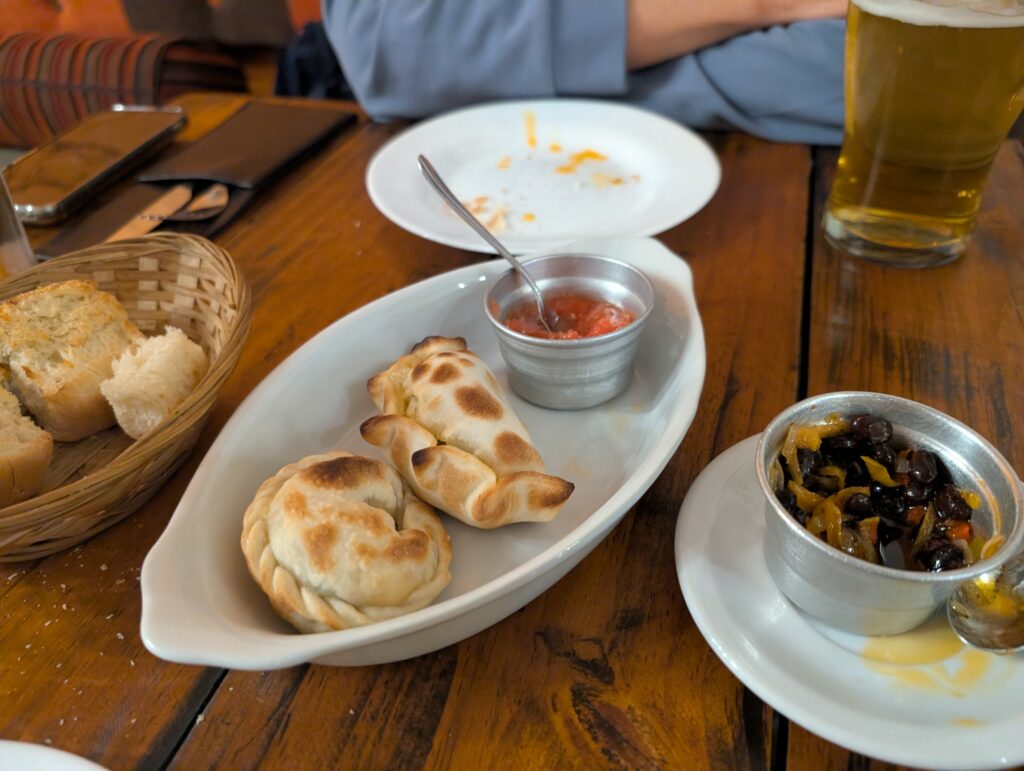
After the tour, we went out to a restaurant called Patio San Francisco I’d read about on a blog so I knew had empanadas and high altitude wine, my top two things I wanted to try in Salta. In addition to our wine and empanadas, we tried a local stew called locro, made with hominy, pumpkin, corn, and meat. It is a national dish with indigenous roots and was very tasty. Though Fernando later told me that locals just eat locro on special occasions (we had a long conversation when he came to fix the water heater).



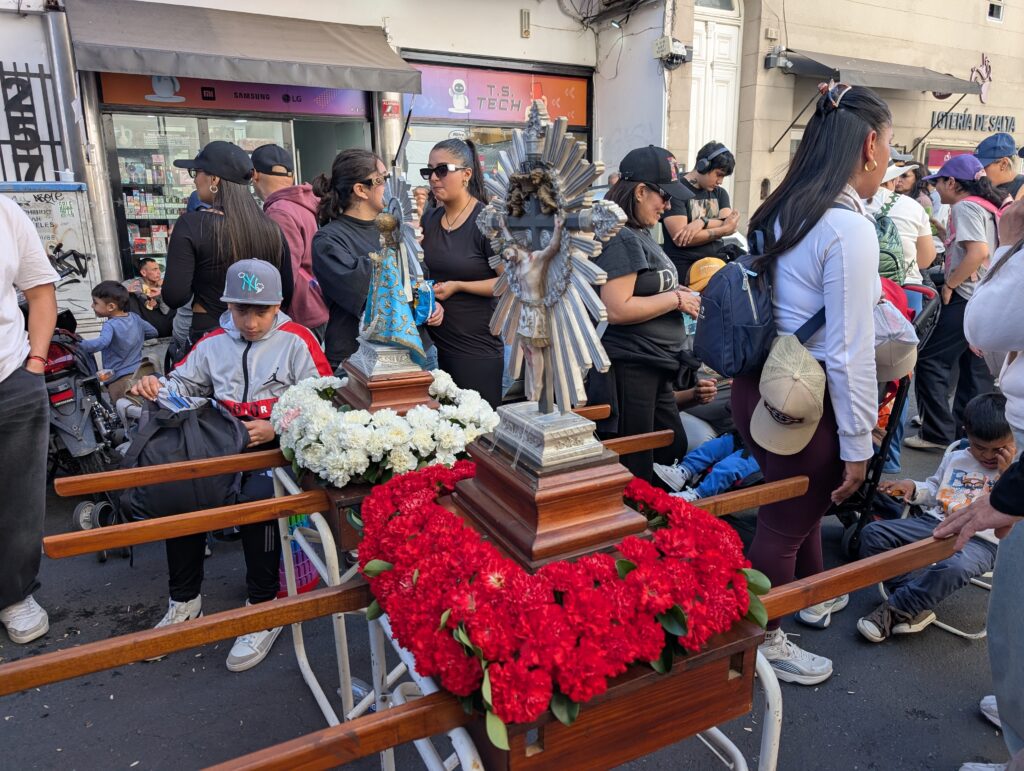
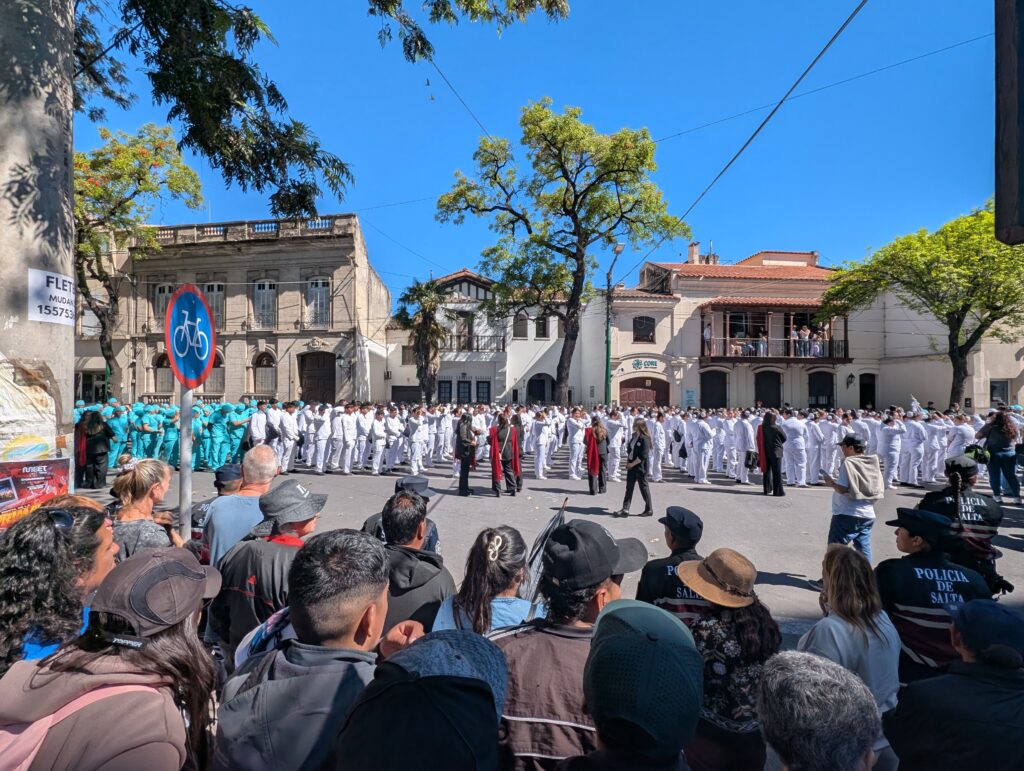
A few days later, we went out to try to view the procession but it was very crowded and hard to capture. Homero said 700,000 people participate between pilgrims and local. He also told us Salta is very religious and about 92% of the 700,000 person population are practicing Catholics. What little we saw of it was interesting but it was also very similar to other religious processions we’ve seen elsewhere.


Hike and Museum Day
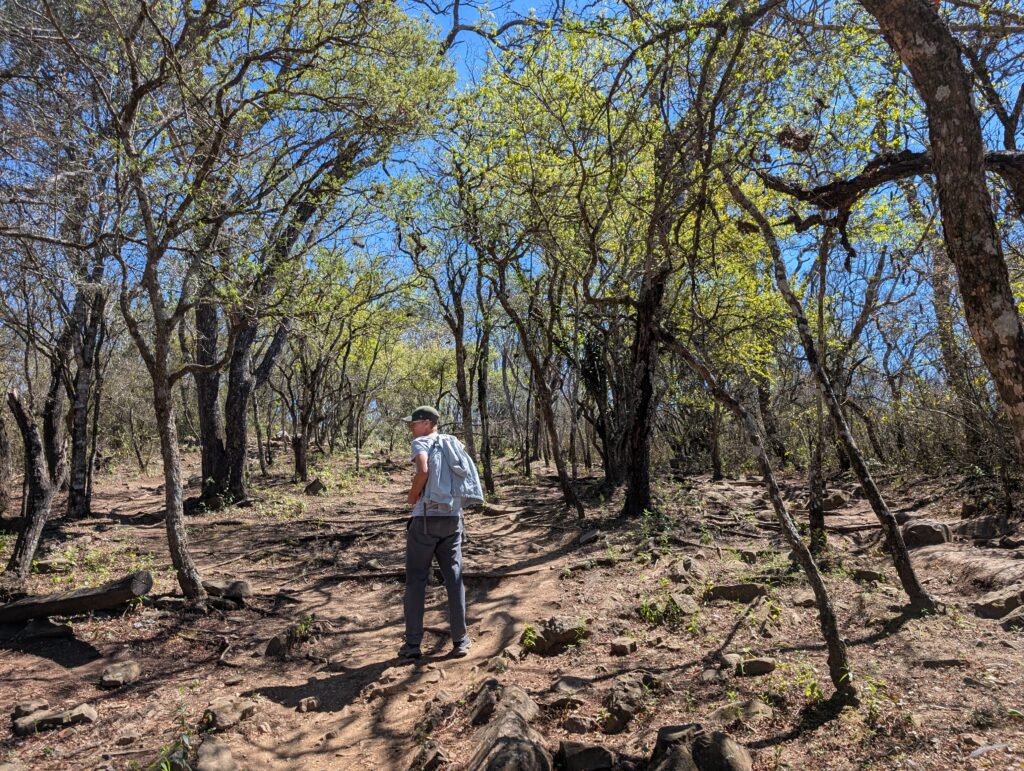
The next day we took most of the day off to get in a nice hike and do a little sightseeing. The opportunity for hiking is the reason we chose Salta for a long stay. It is surrounded by wooded hills. We chose the trail from Tres Cerritos (we think means three little hills) up to the Santuario de la Inmaculada Madre del Divino Corazón Eucarístico de Jesús. It was quite a climb but very pleasant and the holy site at the top was interesting. Though we didn’t see anyone on the lower trail, there were actually many people hiking up from a midway parking area and even more at the top who were able to take a taxi up. Fernando later told me that is is usually very peaceful up there so I think many of the visitors were pilgrims who’d come to town for the procession the prior day.


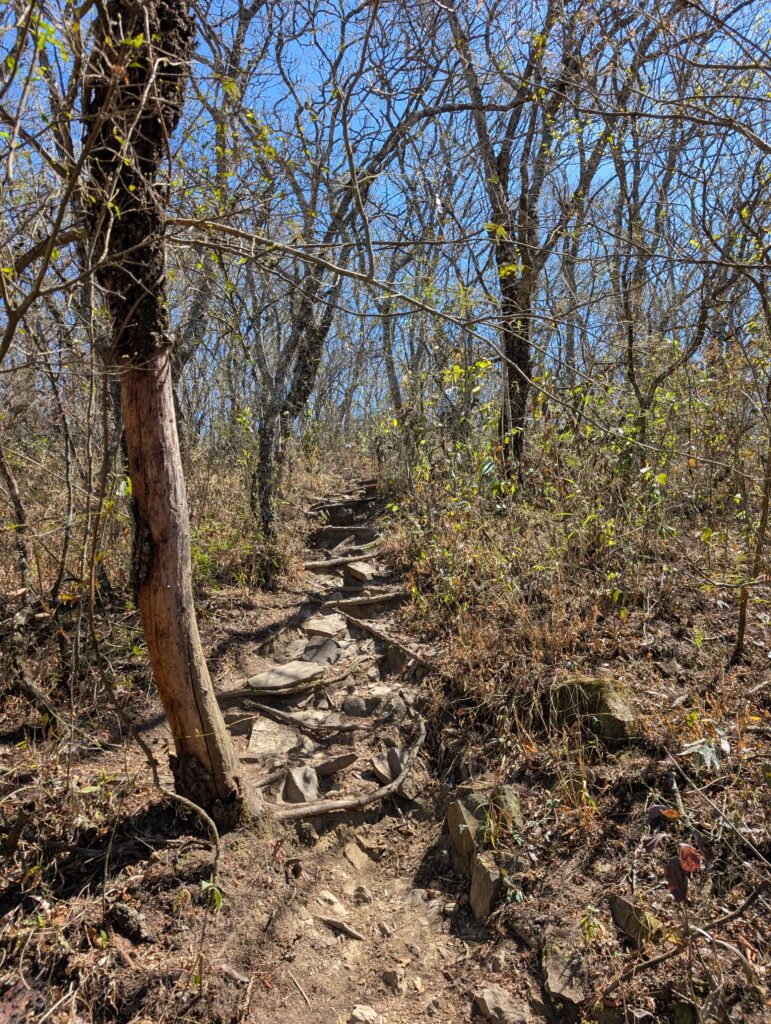

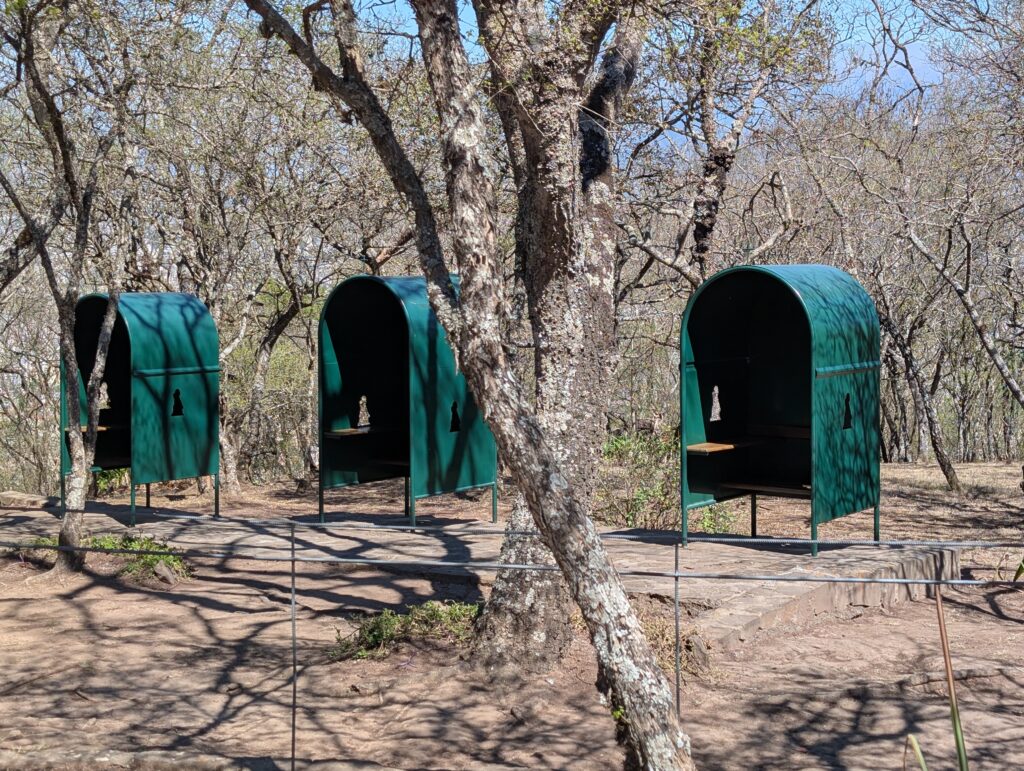
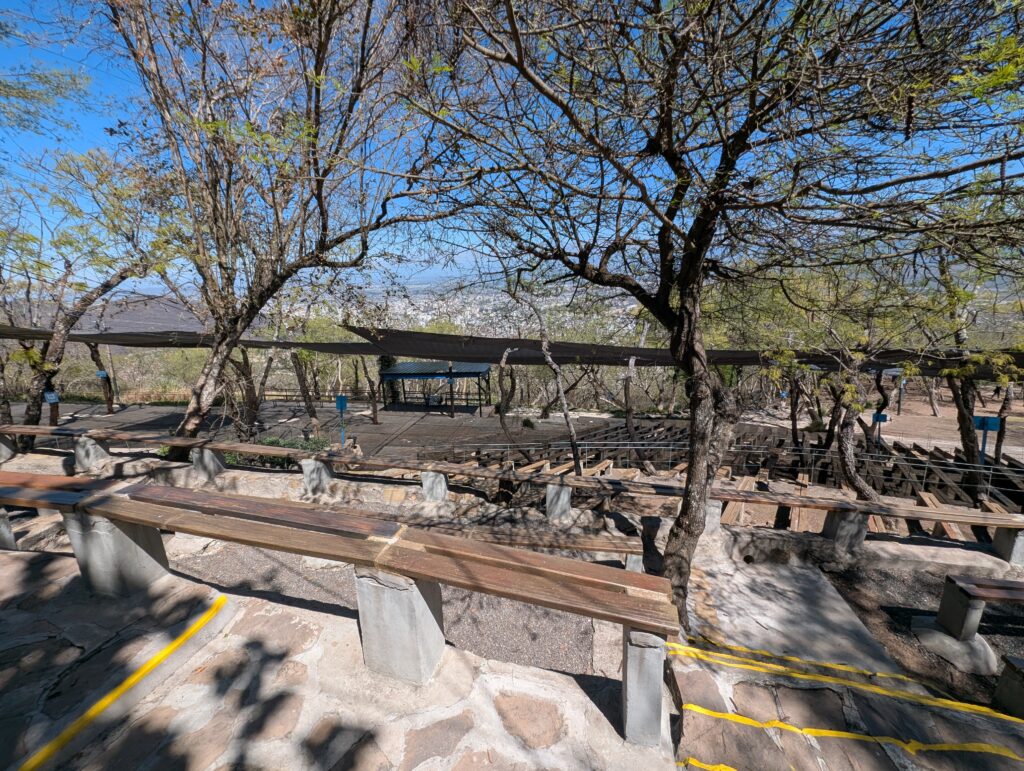
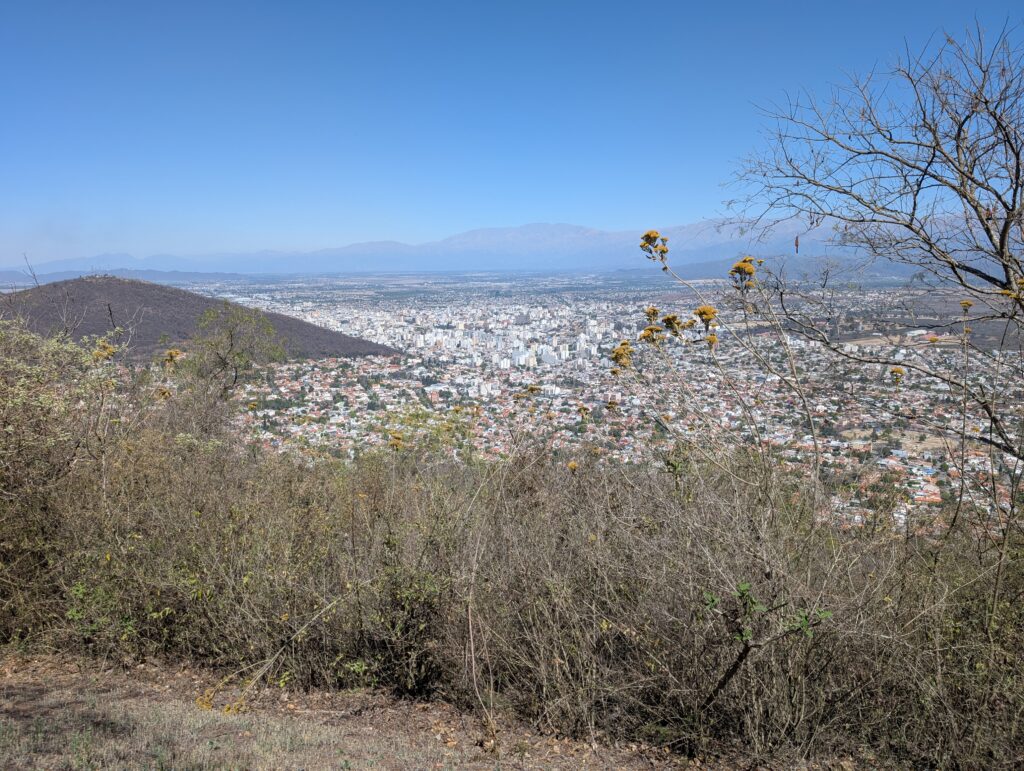
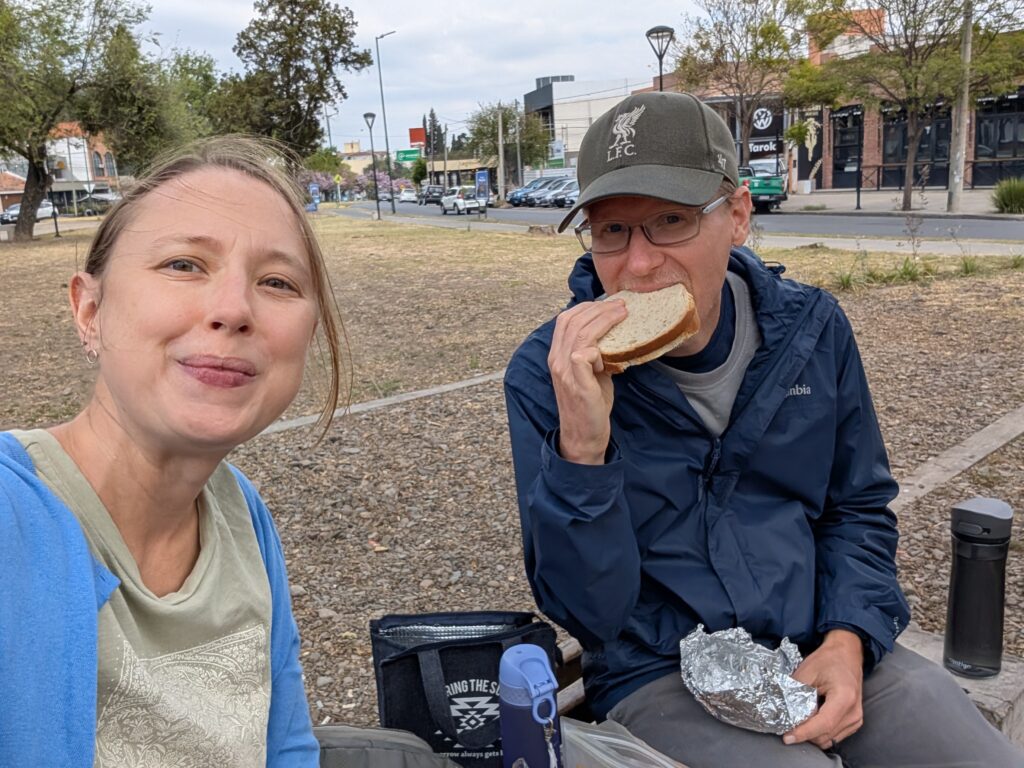
After the hike and a quick picnic, we came back down to shower and rest and then headed out to visit the local history museum on the main square. It was free and very interesting, giving us a taste especially of the Argentine war of independence (fought not coincidentally around the same time as Mexico’s, 1810 or so) and the importance of local here General Güemes, whose name is on many streets, squares, and businesses.


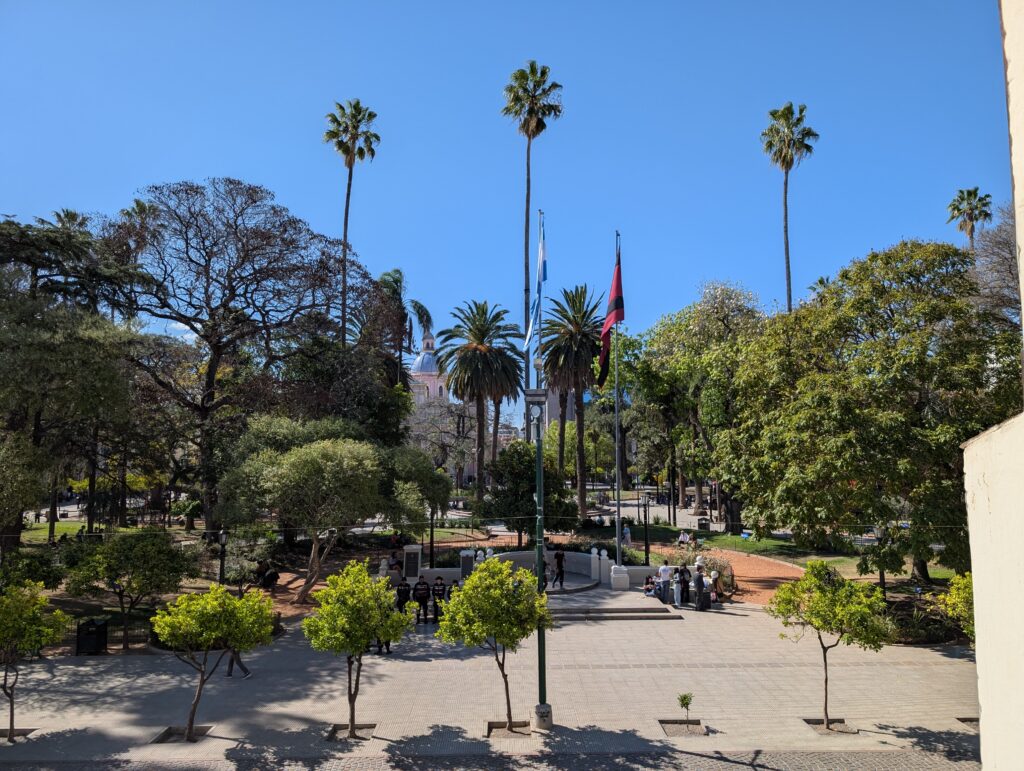

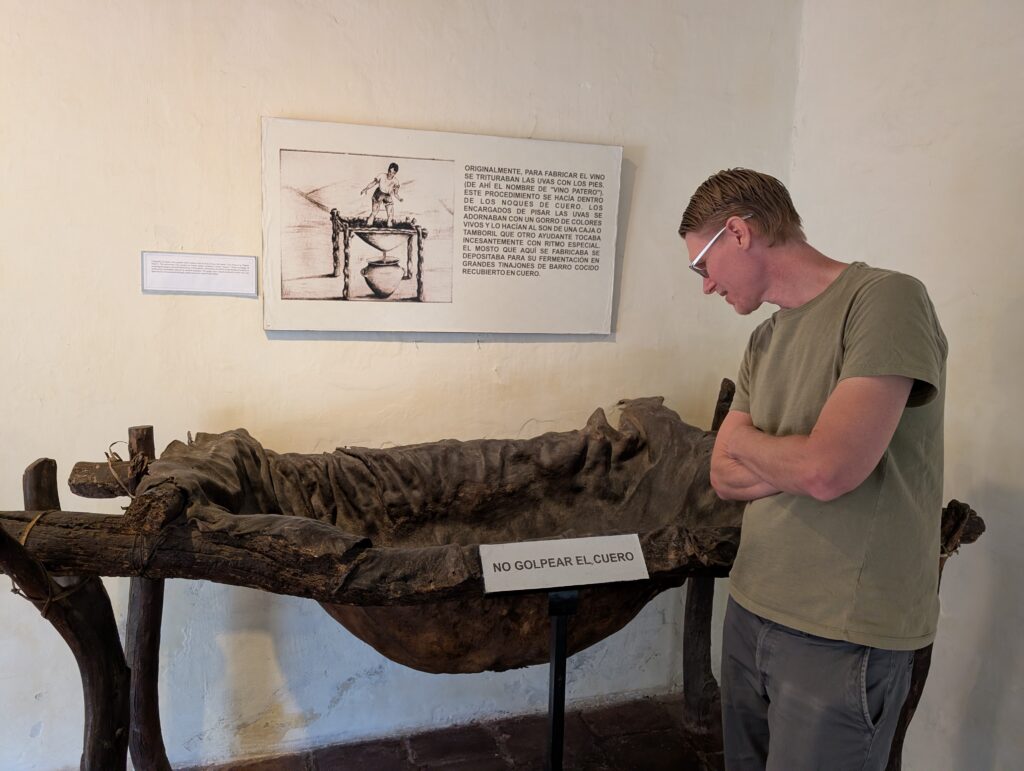
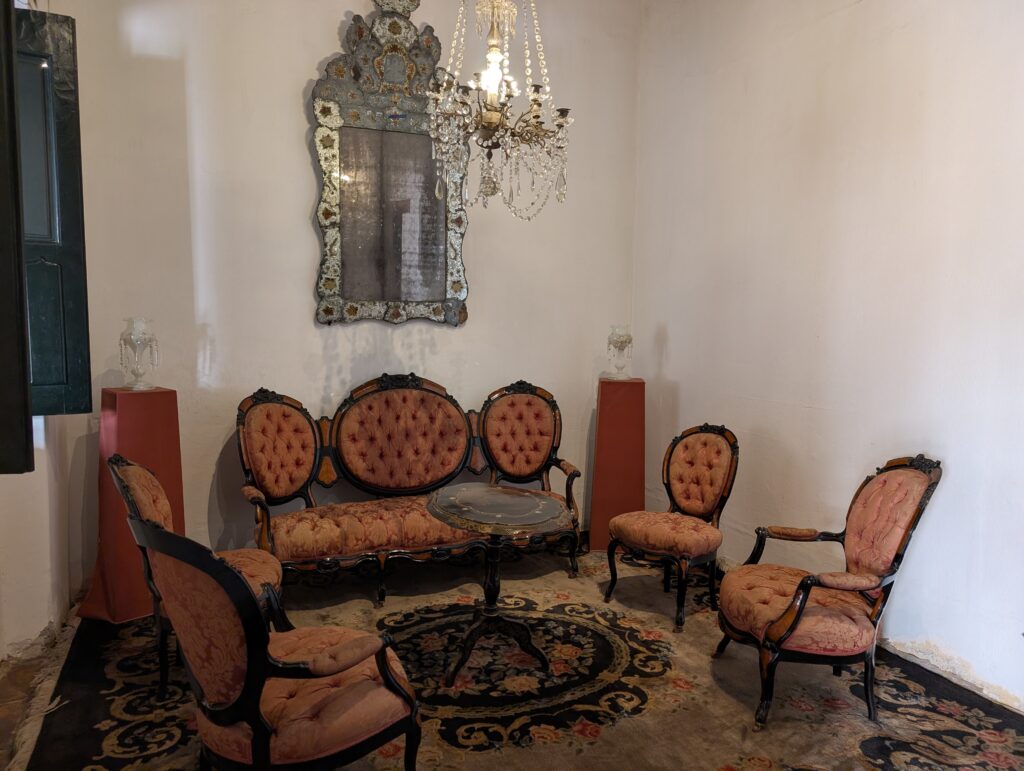

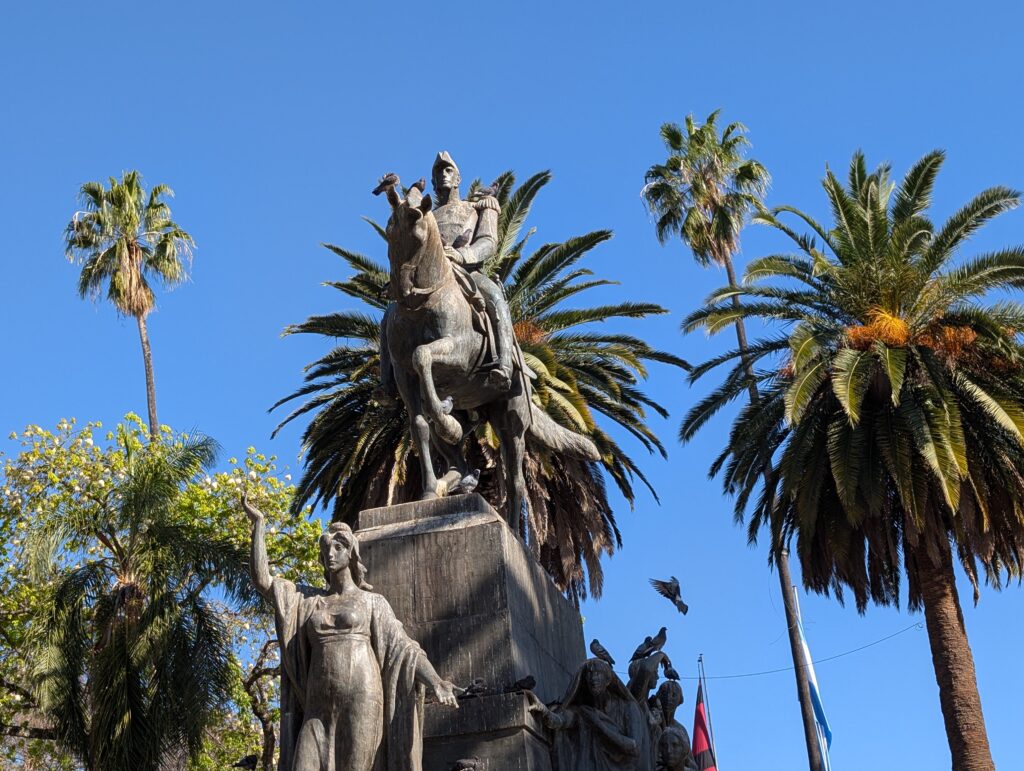

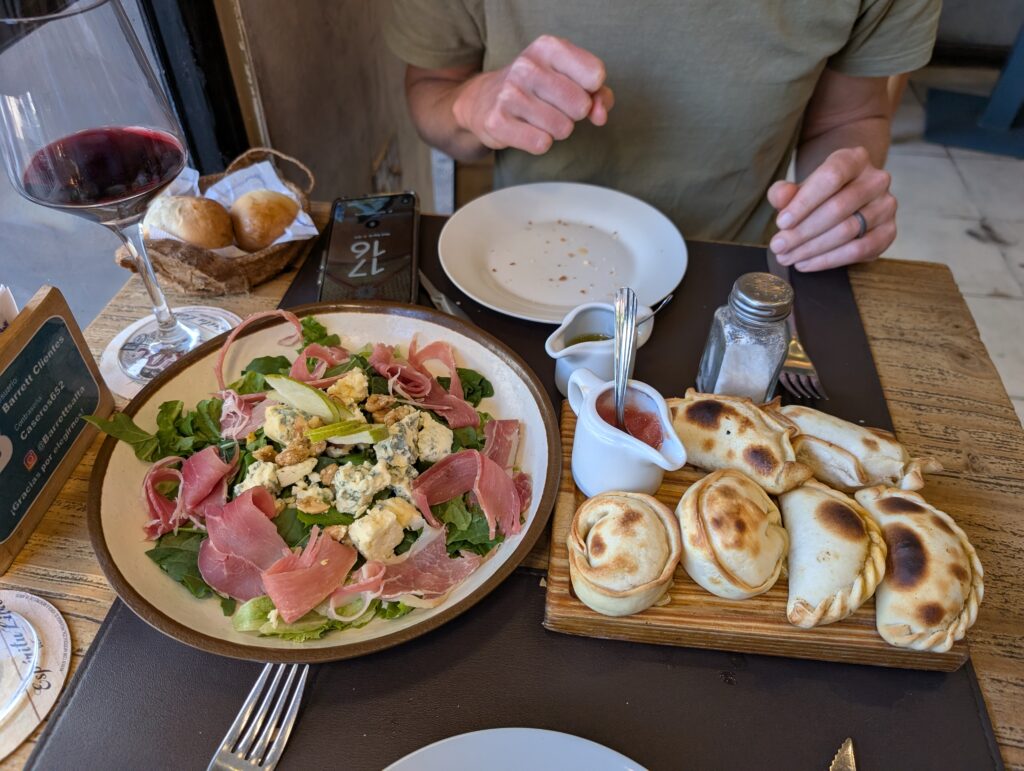
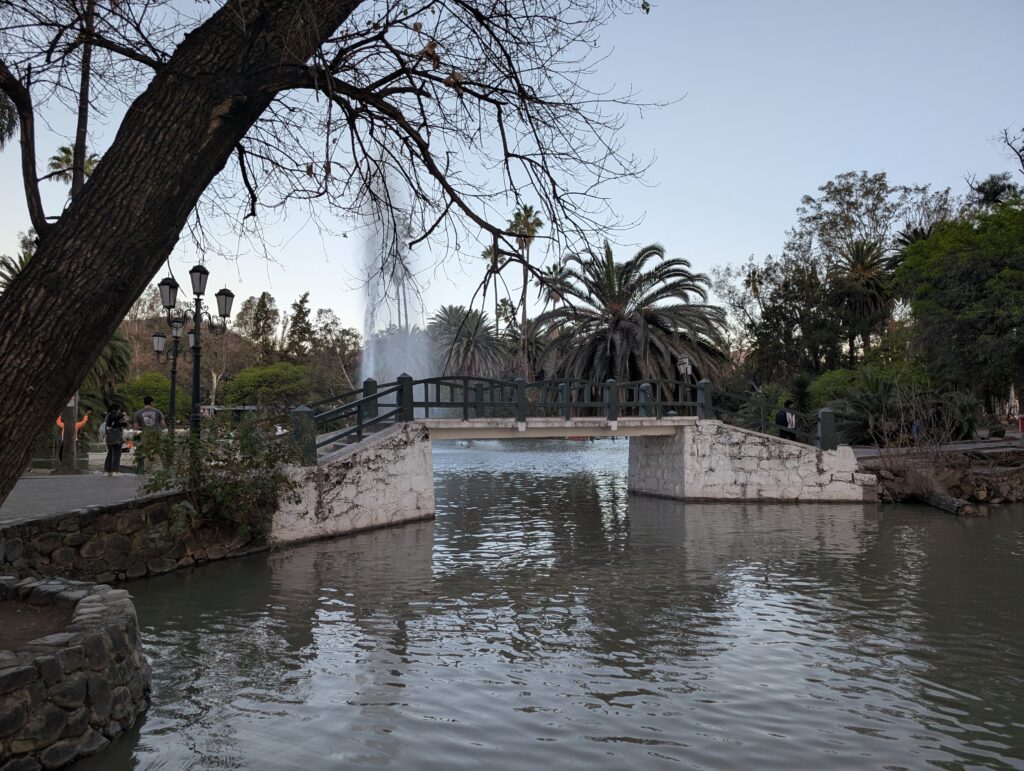
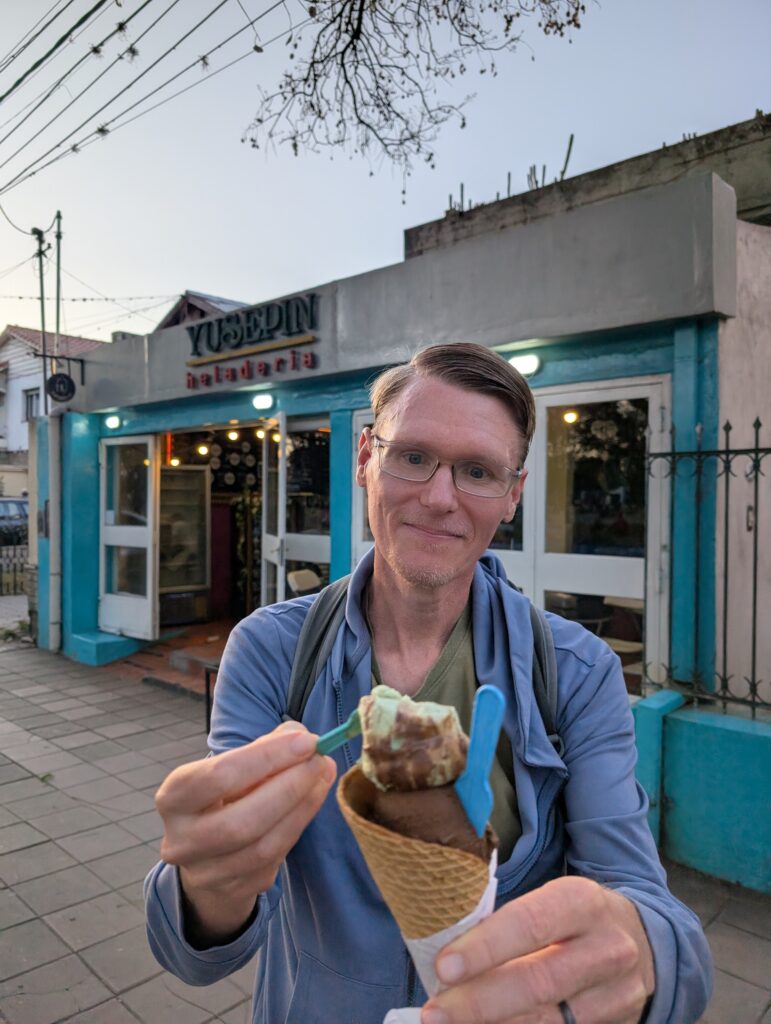
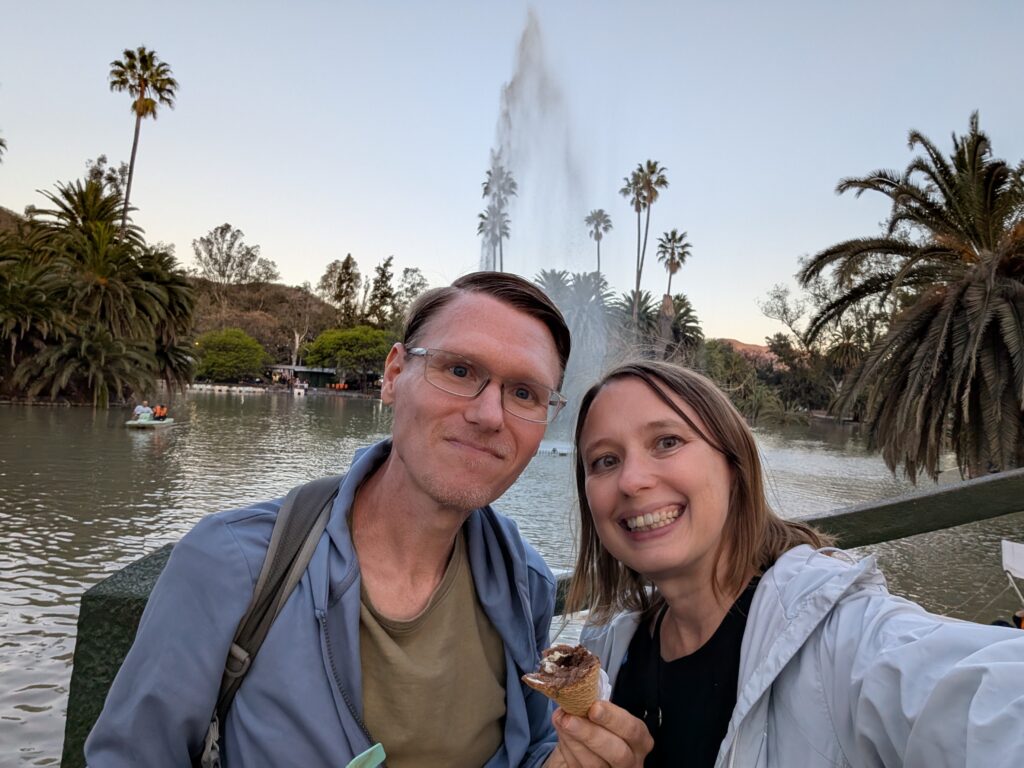
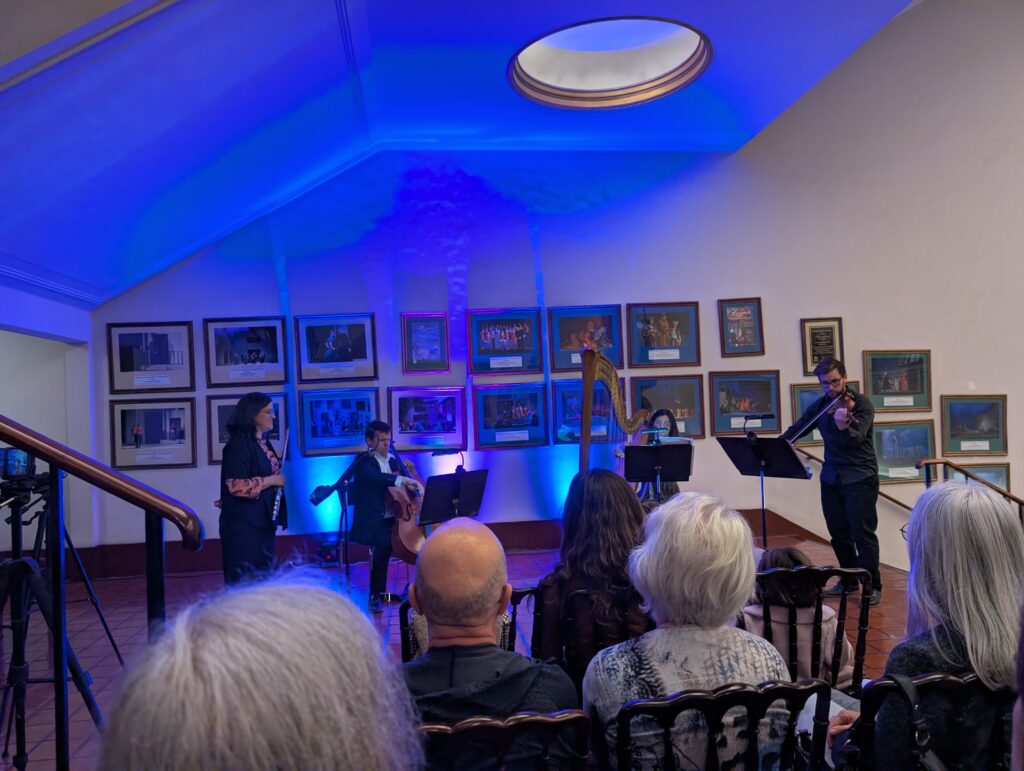
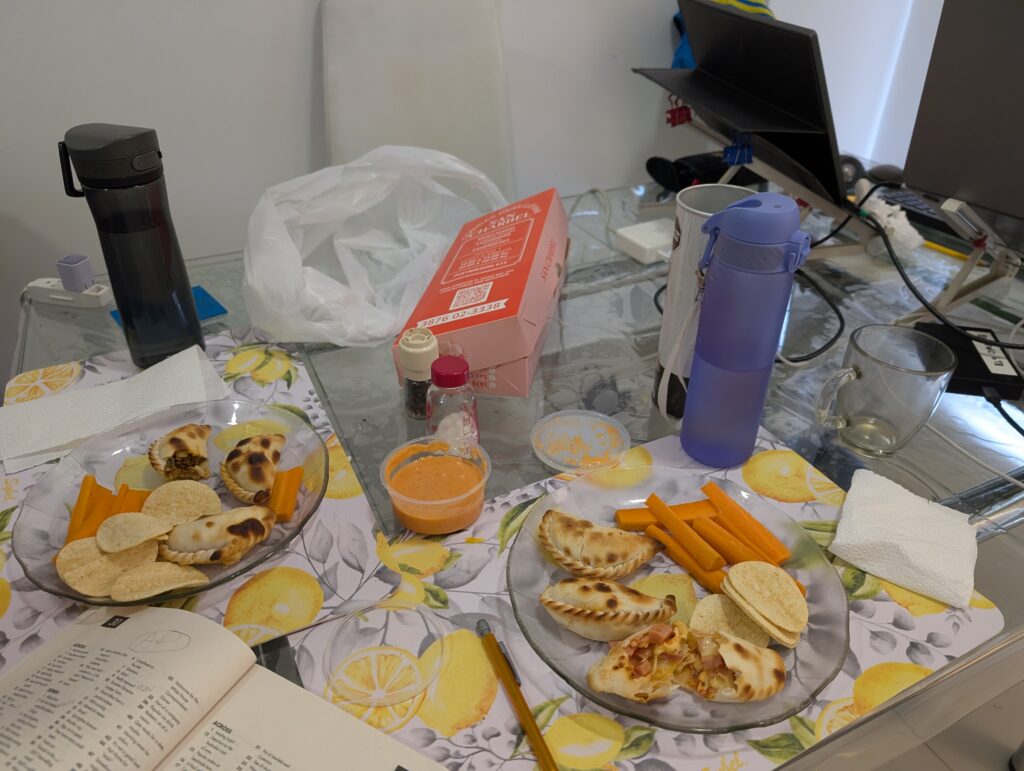
We followed the museum with wine and an early dinner at a nearby cafe call Barret where we enjoyed empanadas and a salad. We followed that up by walking down to Parque San Martín and picked up some so-so artesanal gelato from a shop along the park and then walked back to the main square to attend a classical music performance in the main theater featuring flute, harp, cello, and violin. The concert was great and it was a really fun day all around.
Quality of Life
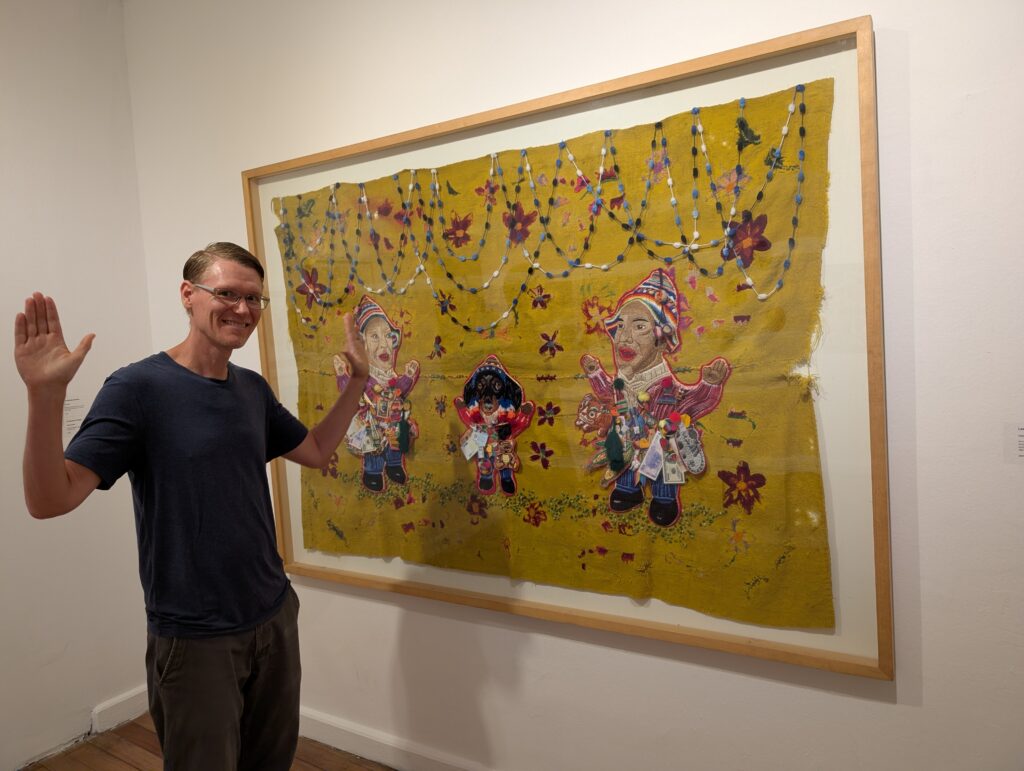
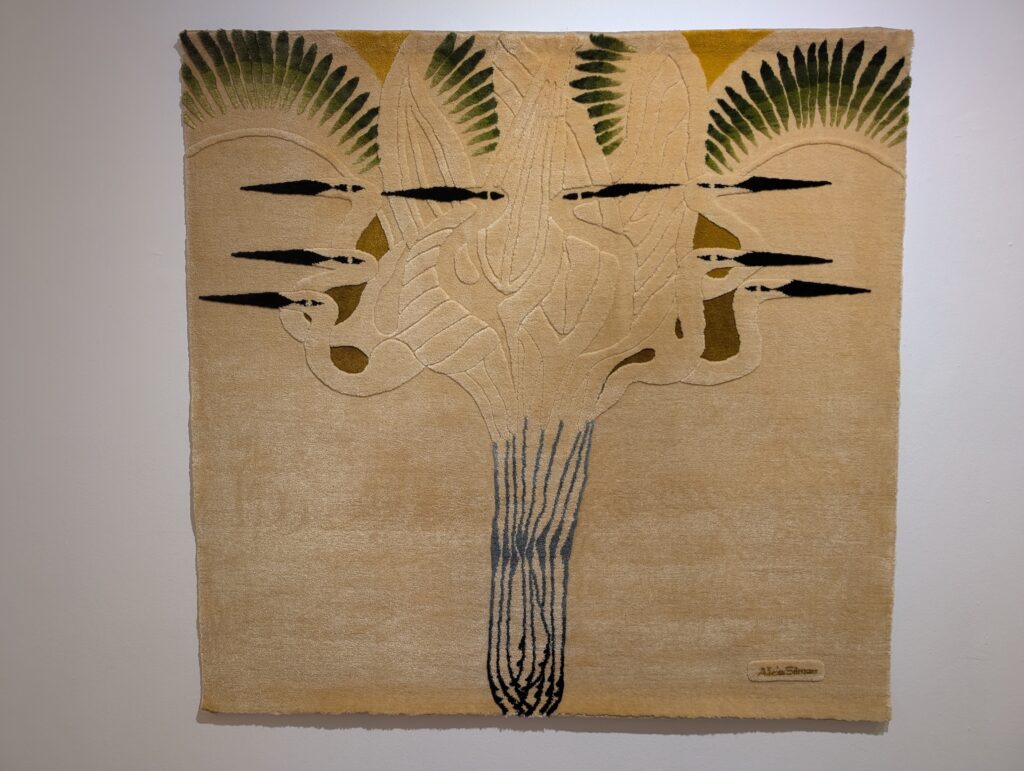
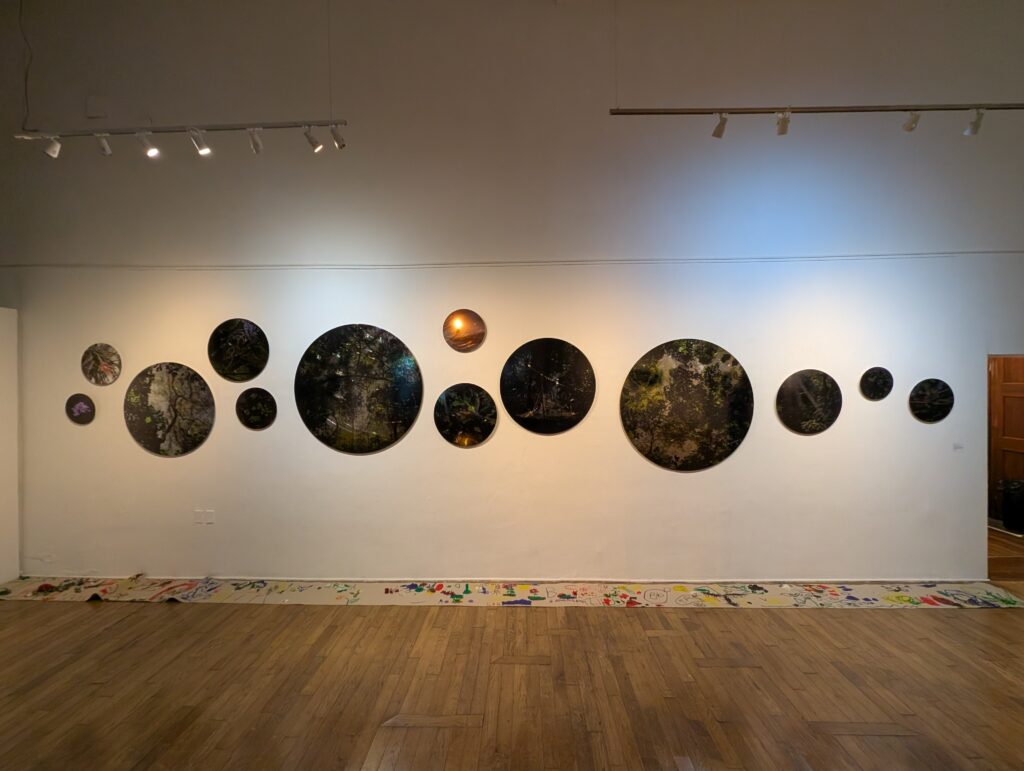
In addition to hiking, we’d just heard that Salta offers a very nice quality of life. On another night out we visited a pair of contemporary art museums that were very enjoyable: first the Museo Bellas Artes and then the Museo de Arte Contemporáneo on the main square. We followed the museums with a tasty (though pricey) vegetarian meal at a nearby restaurant called Cardemomo.

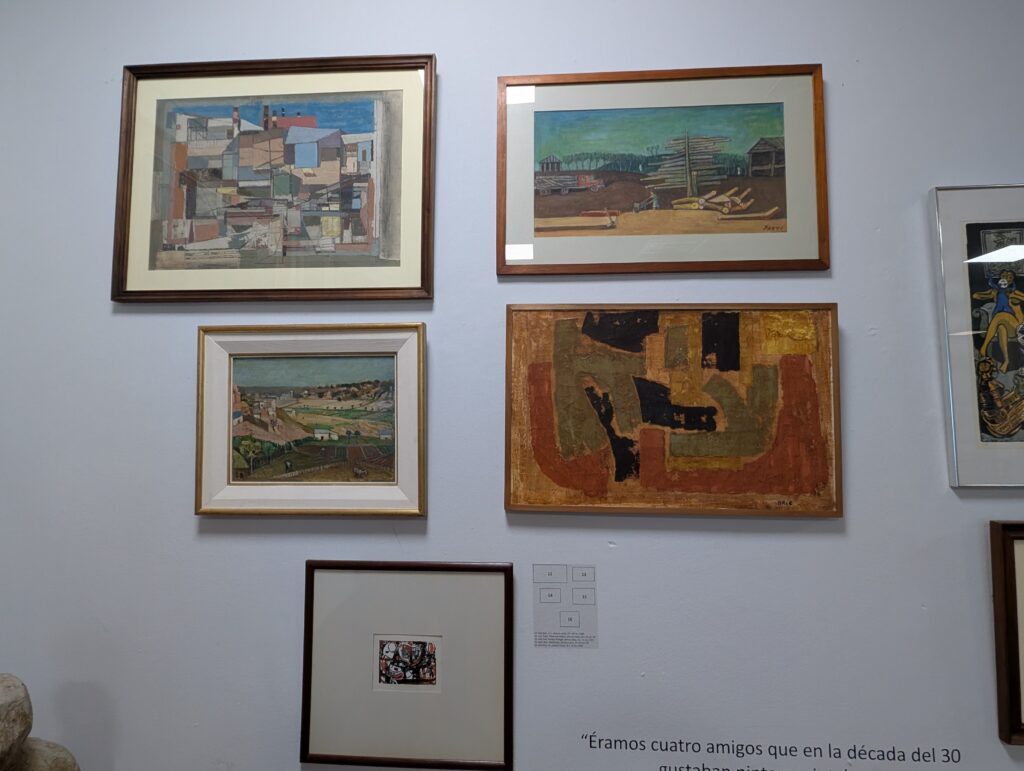

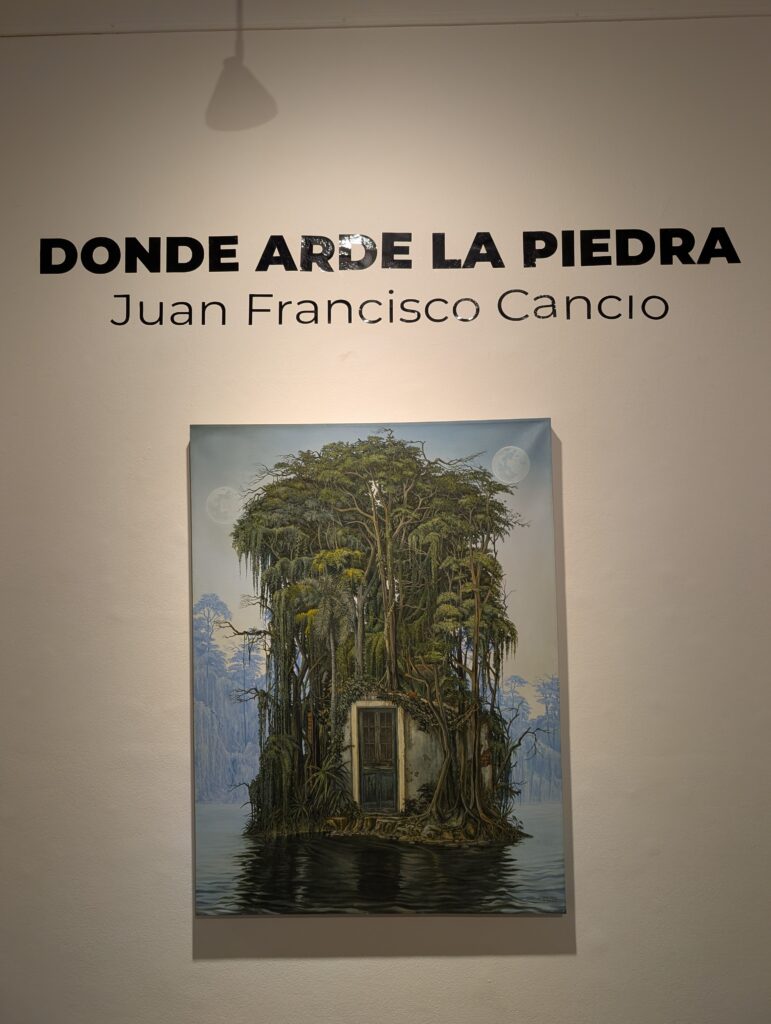
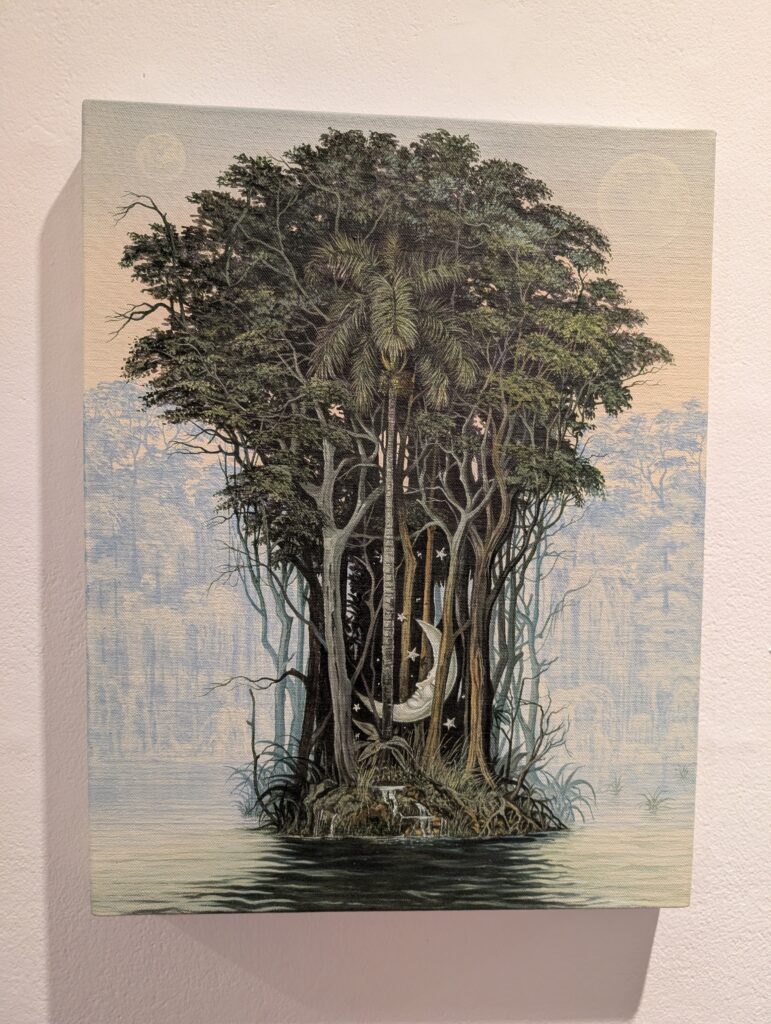


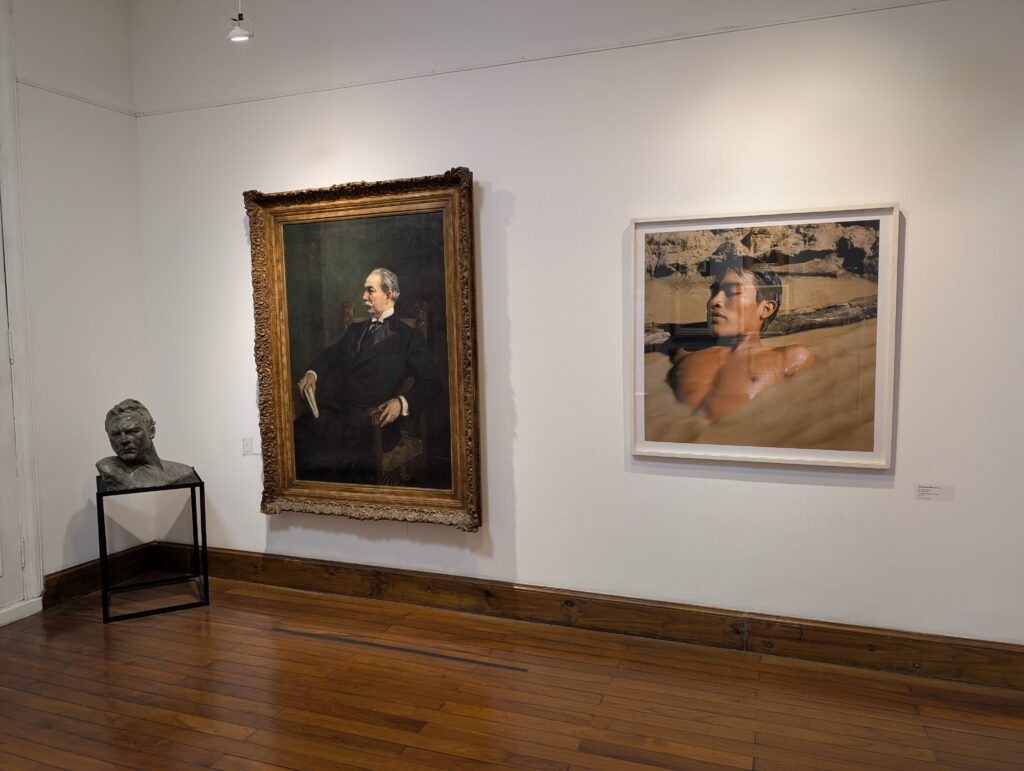
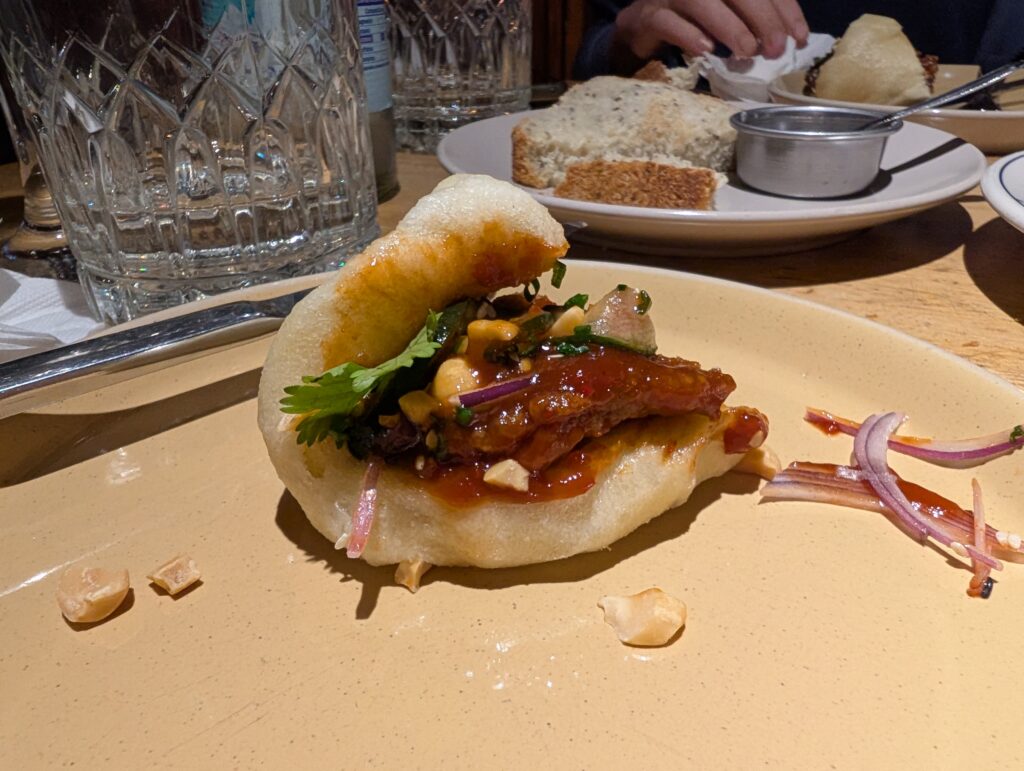
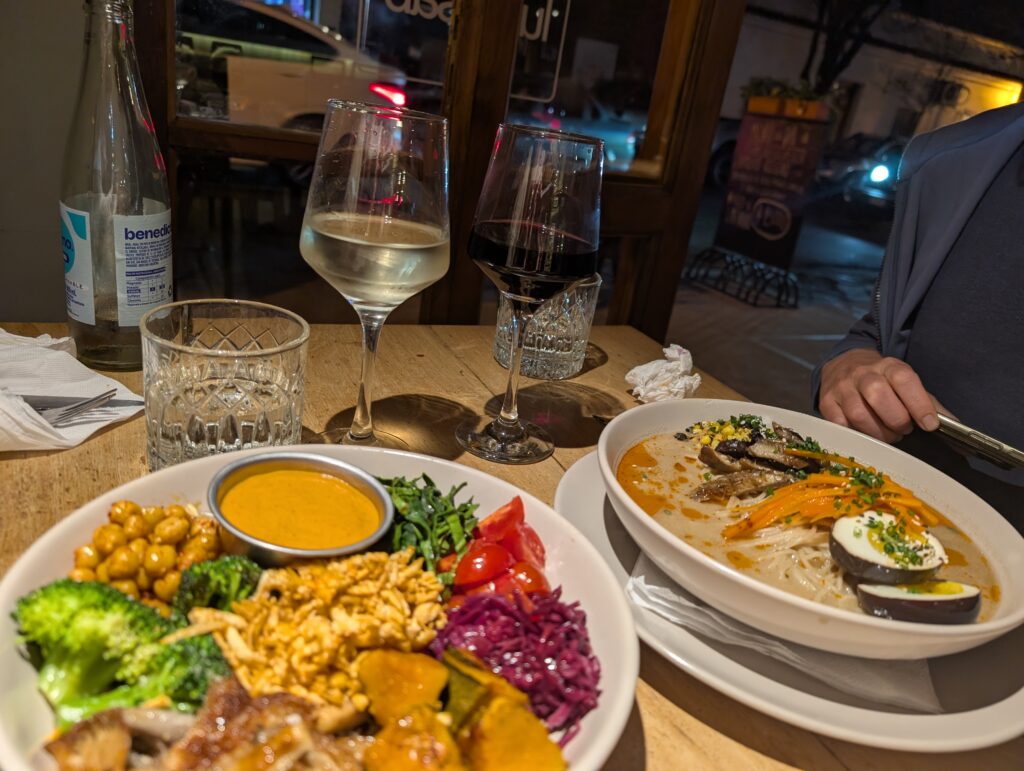
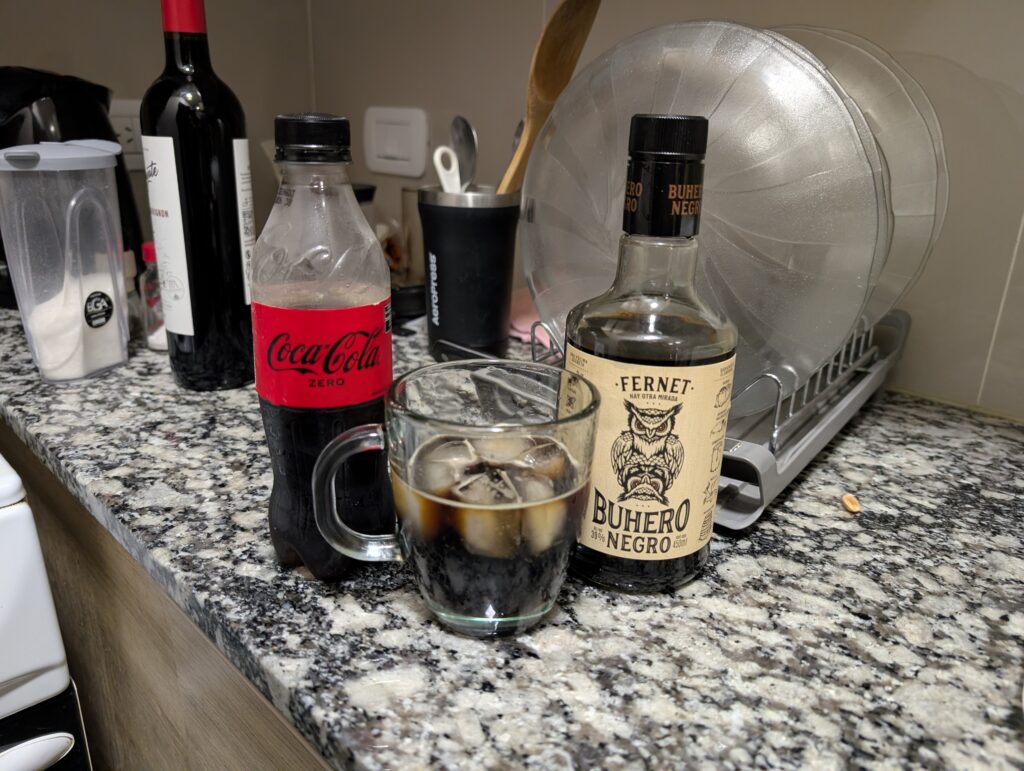
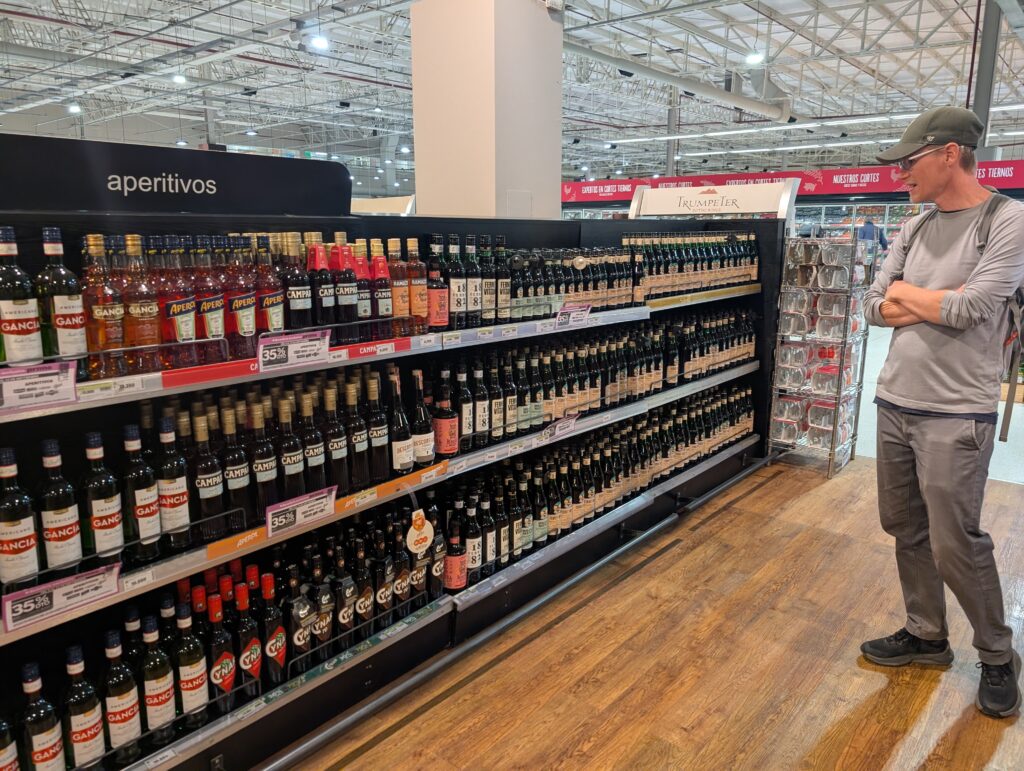
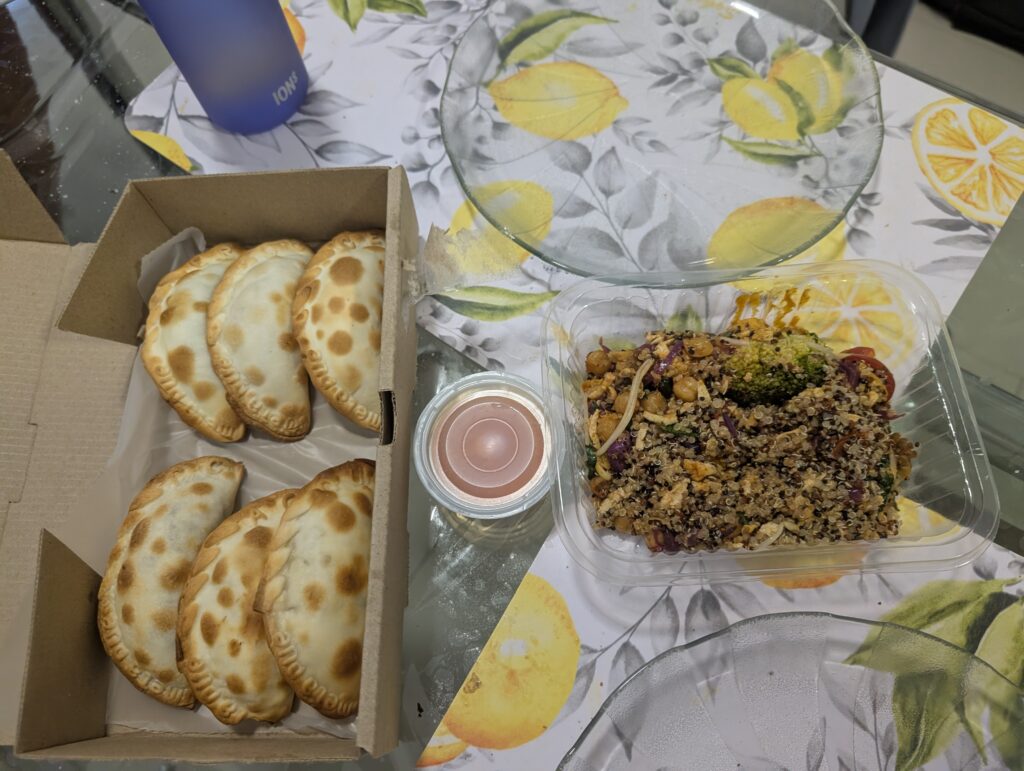
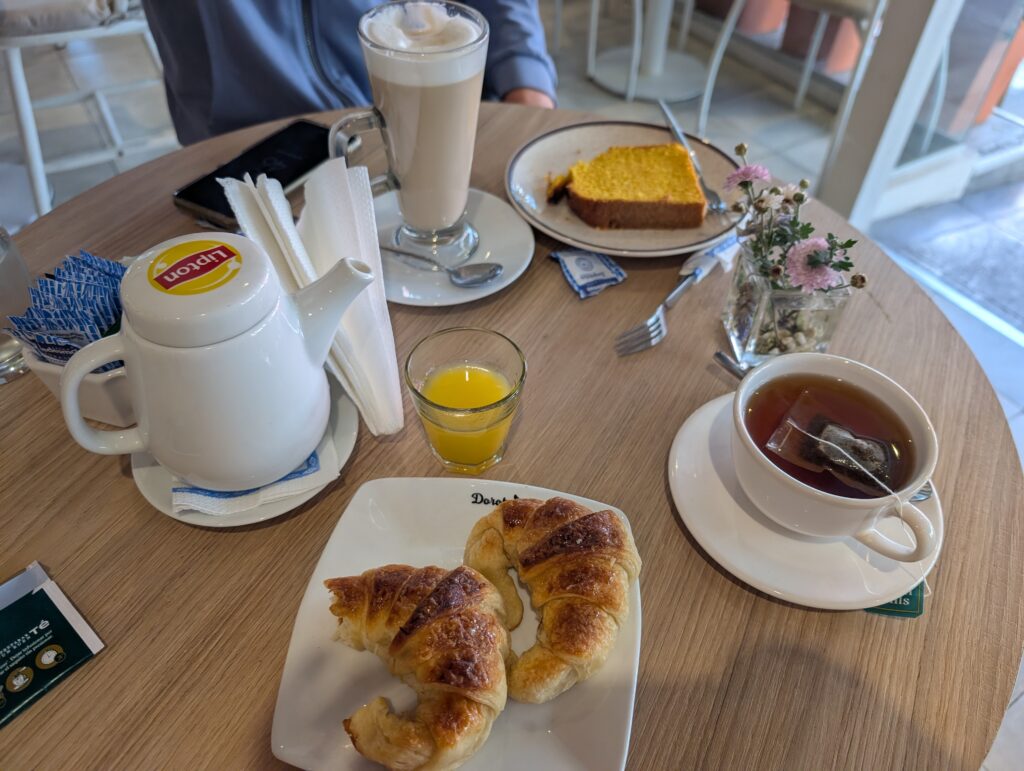
We’ve enjoyed some nice cafe visits, great meals out, a couple of picnics, and so many enchiladas. There’s also the famous high altitude wines of the area that we’ve enjoyed trying, as well as a variety of aperitif liquors like amari (Fernet and Cynar in particular are popular here) and Campari. Chad was especially eager to buy some inexpensive Campari. We’ve learned that it is actually produced locally under contract with the Italian company and that’s why it is so much cheaper than in Italy even. A bottle of Campari will typically run around $35 in the U.S., $25 in Europe, and we’ve been buying for $7 here. The local high altitude wine is also delightfully inexpensive.

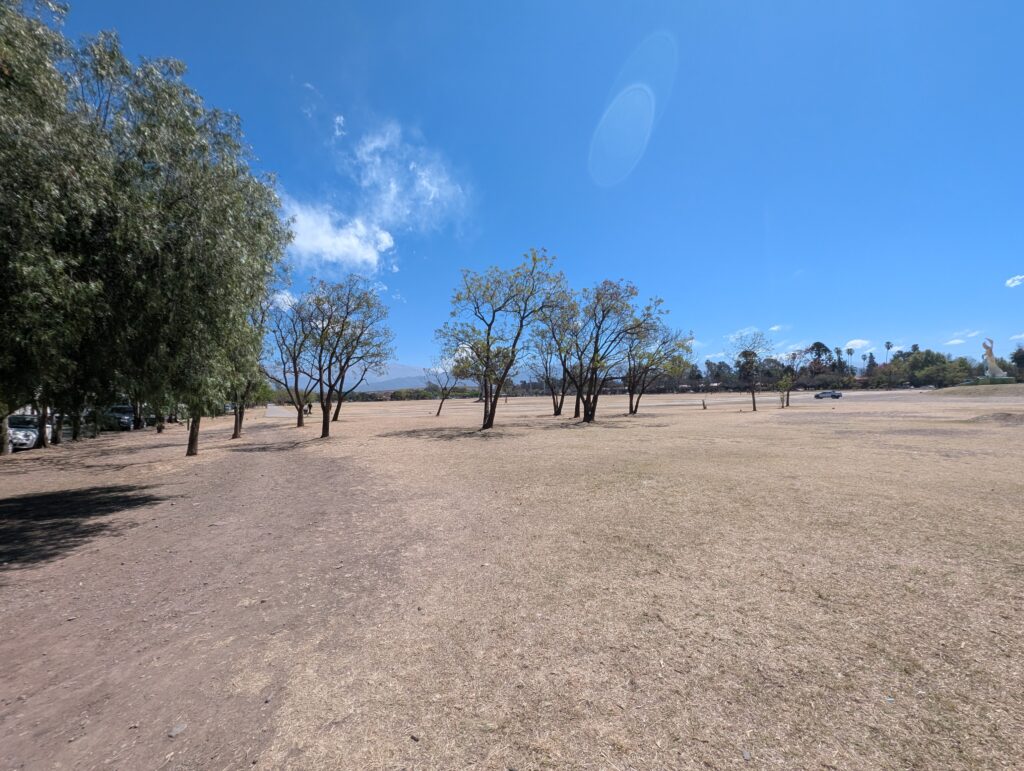
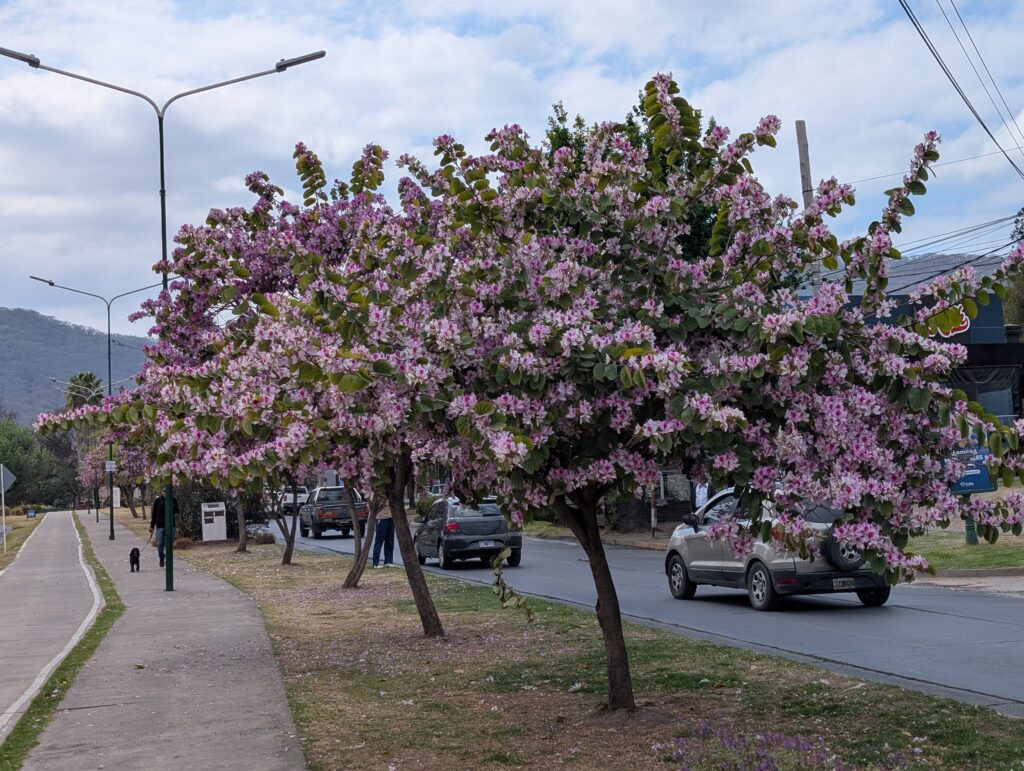
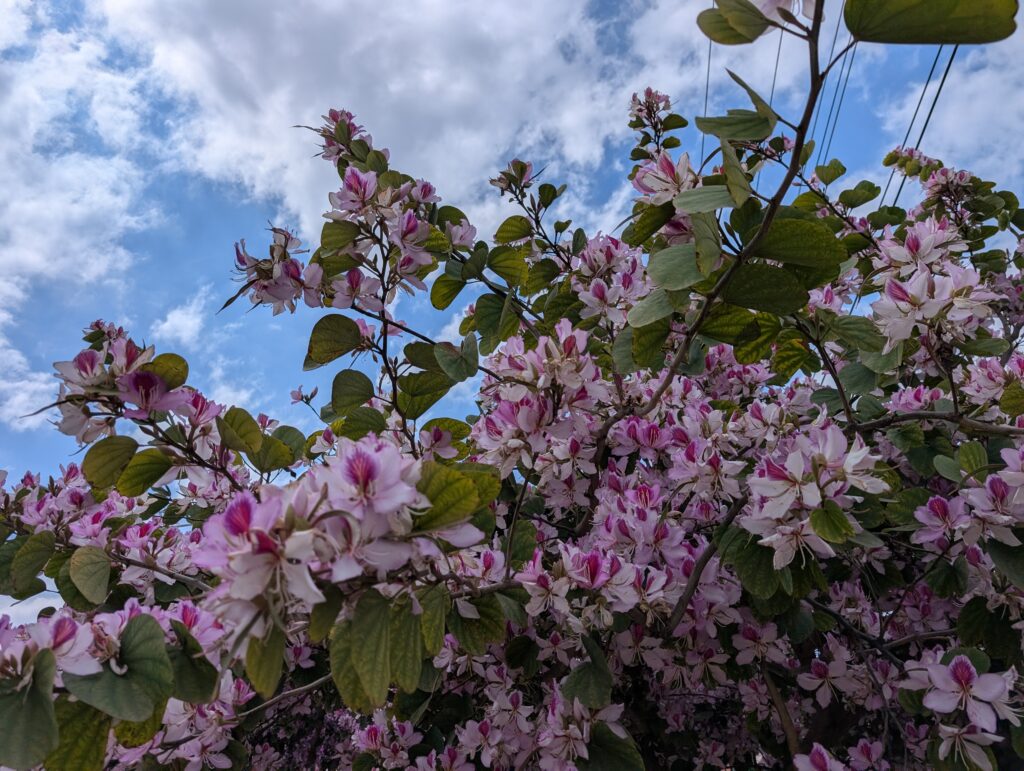



Earlier this week we had another great museum and concert experience, but I’ll save writing about that for my Salta summary post. Salta’s other big claim to fame is being the gateway to some impressive natural beauty in the adjacent state of Jujuy (more about our overnight Jujuy trip in a future post) and the mountains and valleys we’ll see via a roadtrip at the end of our time here.
Summary
With just a little over a week left in Salta, it feels like we could use more time. But we’re going to make the most of the time we have with Salta’s other great museums, trying to fit in another hike or two, and finally making it out to that pena and a traditional Argentine parilla (grilled steak restaurant). Salta wasn’t really on our radar before our last trip to Argentina but its proven to be a very special and worthwhile place.